THIS is breast cancer awareness, people
Posted: October 24, 2013 Filed under: breast cancer, cancer fatigue | Tags: breast cancer awareness, breast cancer awareness month, breast cancer in young women, David Jay, NFL goes pink, NFL's A Crucial Catch, pinktober, pinkwashing, psychological effects of breast cancer 16 CommentsThis. 
Not this. 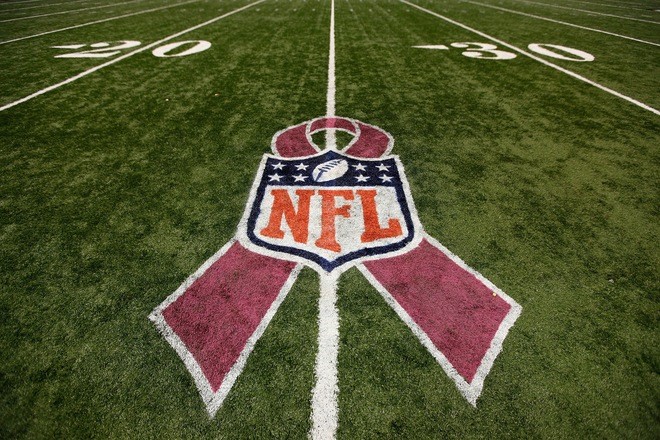
This. 
This is breast cancer awareness.
The SCAR Project is in town. My town. I went yesterday. What an experience.
I was dilly-dallying around about going and trying to convince myself that I am too busy to take time out of my jam-packed schedule. Truth is, I was a little nervous about going. I was nervous about seeing the incredibly powerful images and then confronting the emotions they would inevitable bring to the surface. I’m 3 1/2 years out from my diagnosis, yet I know that at any given moment, cancer can upend my “new normal” and bring me to my knees.
I suspected that seeing The SCAR Project images, full-size and in person, would upend me and bring me to my knees. They did.
I’ve seen the images online and in my copy of The SCAR Project book, one of my most-treasured gifts (thank you, Trevor). The book is available on Amazon.com; click here to order your copy.
Seeing them in person, however, is a completely different experience.
The exhibit is housed in a small gallery in the heart of Houston. On my short walk to the gallery I passed this lovely shrine in someone’s front yard.
I certainly hope I didn’t offend by snapping a quick photo. I don’t see things like this in the ‘burbs where I live.
Nestled into a quaint neighborhood surrounded by bustling businesses, Gremillion & Co Fine Art, Inc., is spartanly understated. The lush greenery surrounding the modern-but-not-out-there building and the pieces of sculpture flanking the gallery speak to the idea of popping inside for a quick fill of art in the middle of the day. 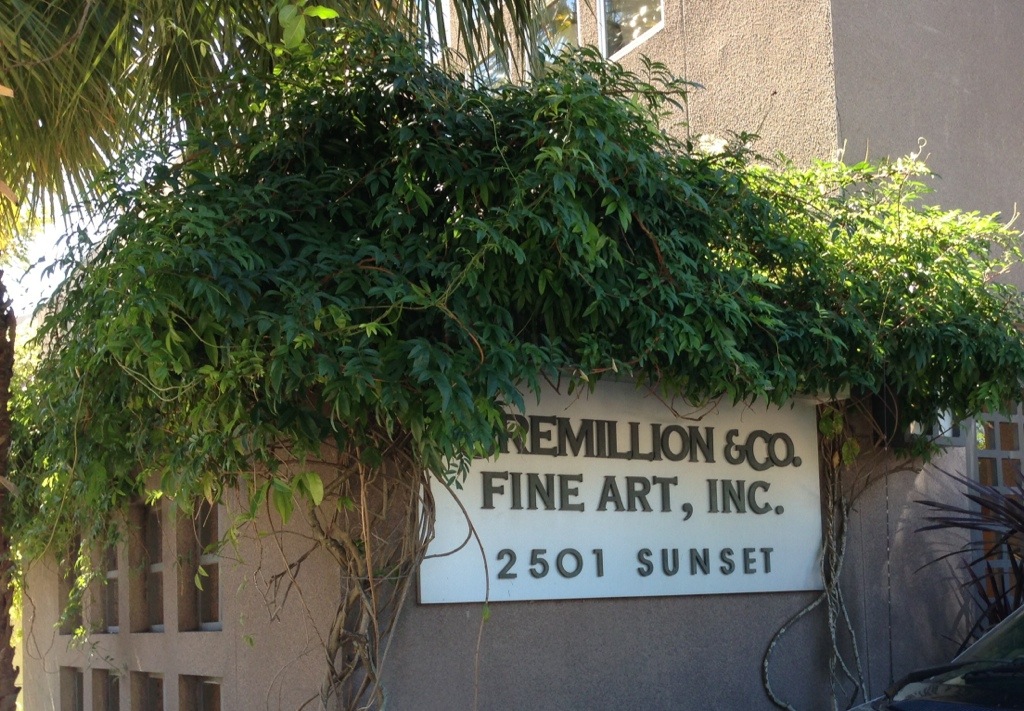
I gotta come back in the spring and see this wisteria in bloom.
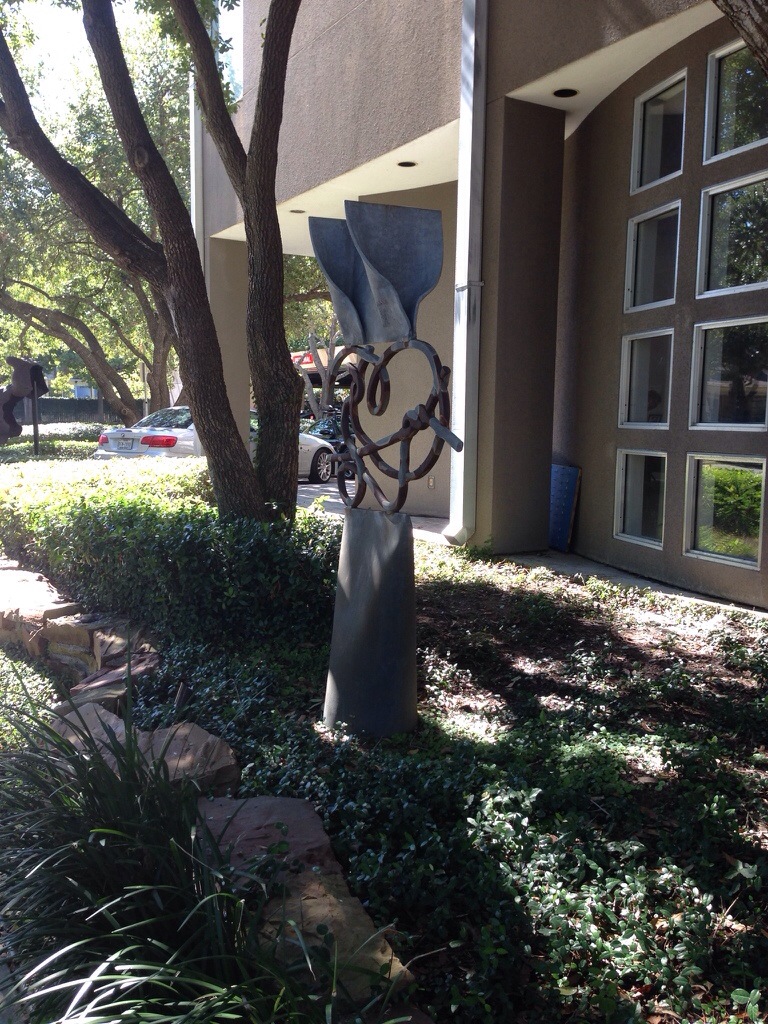 Some of the sculptures surrounding the building.
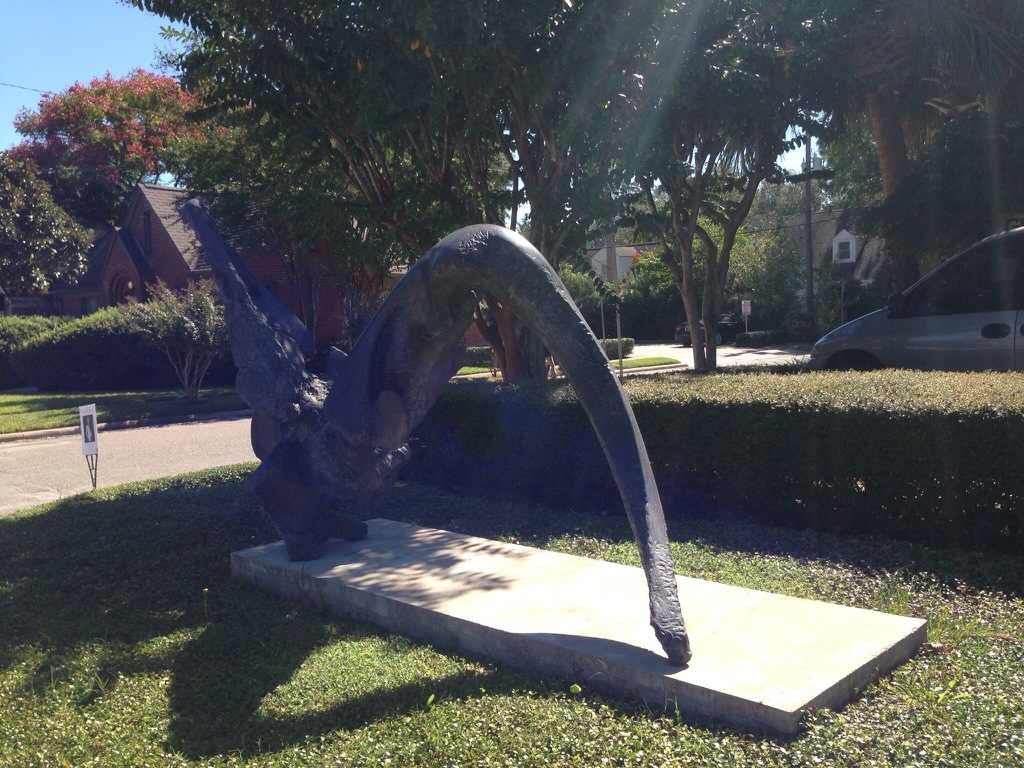
This gate leads into a little courtyard to the side of the gallery; a serene spot in the middle of the city. 
Enough stalling. Time to go inside.
There’s a sign on the gallery door that requests that visitors keep their conversations to a minimum and in a whisper because of the gripping, emotional response people have had to the photographs. While some not so intimately acquainted with the beast that is breast cancer might find this intriguing and perhaps even titillating, it did not have that effect on me. I felt certain my initial misgivings about witnessing the photos were true.
A small table filled with programs and copies of The SCAR Project book stands in the entrance. A cut-out window just behind revealed a man eating lunch, and I realized that man was David Jay, founder and photographer of The SCAR Project. I asked the docent if that was indeed him, and she nodded. I told her that I’m a survivor who greatly admires his work. She said, I thought you might be a survivor.
How did she know? What caused her to suspect? Perhaps the majority of visitors to the exhibit are. Or perhaps she read the fear and trepidation in my eyes. Either way, she smiled sympathetically and stepped away. Next thing I know, David Jay is standing right beside me, saying hello. Wow. I told him how much I admire his work and how grateful I am for him telling the real story. Not the “prettied-up, pink ribbon” story. He nodded and said, “That’s why the subtitle of this project is ‘Breast Cancer Is Not a Pink Ribbon.'” Amen, brother.
In the exhibit program, Jay is quoted as saying, “Still, through all of this, there is beauty. Soul. Courage. These are the things which cannot be taken away.”
Jay told me that he never envisioned working on this project, but that after a friend was diagnosed, the project was born. His mission: to show what breast cancer really looks like, especially in young women; to fundraise for research; and most importantly, to empower the women who have been affected and to hopefully allow them to see the beauty, strength, and resilience in the aftermath.
“For as long as I can remember, I have struggled with body-image issues. Losing my breasts and developing thick, red scars across my chest only made matters worse. I could not bear to look at myself in the mirror. I hope that being a part of The SCAR Project will help me to see something beautiful for a change. Maybe it will help me appreciate my body….It has, after all, created and sustained two new lives; it has fought cancer and won. It’s time I started giving it, and myself, much deserved respect. Maybe if my scars were viewed as art, it would help me to heal.” — Gabrielle, age 30
“The most important part of being photographed was that it made me feel beautiful. It was an opportunity for me to stand tall and strong with my scars and redefine my beauty for myself.” — Emily, age 32
“My challenge has been and continues to be to accept the sorrow, focus on the joy, and remember to share both with the ones I love. Survival is about more than breasts: it is about courage, strength, and the many other attributes that make a woman beautiful.” — Jill F, age 28
Barbie, age 36, served 18 years in the U.S. military before being diagnosed with breast cancer. 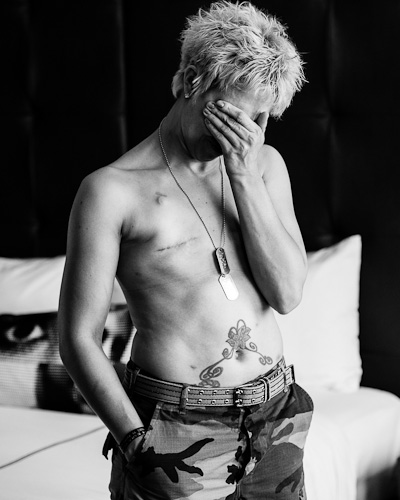
In her SCAR Project bio, she says that “a weapon, a FLAK jacket, and a Kevlar helmet didn’t protect from THIS enemy.” She goes on to say that “I am not going to ever get over breast cancer or move past it. I will love with it for the rest of my life. Remission is not a cure.”
Not surprisingly, scars are a recurrent theme among the women featured. “My scars are powerful lines that point to hope, faith, and love.” — Candice, age 30
“Our scars are there to remind us of the times in our lives that are important to remember and they paint a story of not just survival, but of living.” — Eliza, age 22
Some of the quotes by the women featured are so sad, yet so true:
“Cancer does not discriminate; it doesn’t care who you are.” — Jessica D, age 22
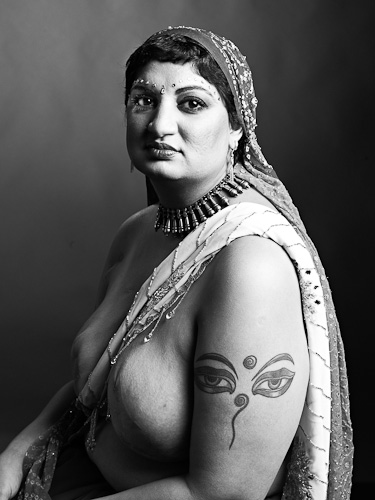 “An East-Indian girl, I was a mother to a toddler who fed from cancerous breasts for 20 months. A wife to a husband who left because he feared what my cancer would do to his life. A sister to a man who didn’t know what to say, so said nothing.” — Sona, age 36
 “Cancer took so many things from me, but the one thing I may never get over losing is my sense of security. Blood work and tumor markers allow me to live my life in 18-month intervals, but cancer is an unpredictable beast.” — Toni, age 28
“I lost all of my hair, looked like ET, got my boob hacked off along with 9 lymph nodes, got zapped by so much radiation my skin burned and bled, and will need to cut open my stomach and relocate my fat and muscles to my chest. I think sometimes I am so good at putting on a pretty face and acting all put-together that people don’t realize the extent of everything that breast cancer survivors go through. My scars and words are only half the story. They don’t show the emotional and private struggles that are continuously present.” — Vanessa, age 25
Something else Vanessa said really resonated with me: “I’ve never wanted to be the center of attention, or to be regarded as ‘special’ or ‘brave.’ I don’t need to be pitied or felt sorry for. In life, there’s a beautiful balance of happiness and sadness, awareness and unawareness, acceptance and rejection, blessings and misfortunes. These dualities are the moments that define life.”
Not all of The SCAR Project women survived. David Jay tells the story of Jennifer, age 27, who could not travel to New York for her photo shoot because her cancer had spread to her liver. She wanted to do it, though, and asked Jay if his studio had wheelchair access because she could no longer walk up the stairs. Jay told her, “Just come, I’ll carry you up the stairs if I have to.” She never made it to New York.
Each of the women featured in The SCAR Project has an important story to tell. Each has experienced things that profoundly and permanently changed them. Each faced the terrifying reality of cancer at a young age.
This wall of images represents each woman’s story and each woman’s struggles. It is moving beyond words. Not just for those of us diagnosed with the disease, but for all of us as human beings.
As I left the exhibit, I saw David Jay outside, on his cell phone. I waved to him as I walked past to my car. Pulling out of the garage, I thought, I should ask him to sign my program. But I didn’t want to interrupt his phone call. What to do? What to do? Interrupt him. Ask him.
So I did. 
For more information, go to http://www.thescarproject.org. Follow The SCAR Project on Facebook and Twitter (@thescarproject). Watch the Emmy-winning documentary Baring It All and purchase The SCAR Project book.
Bad Mommy
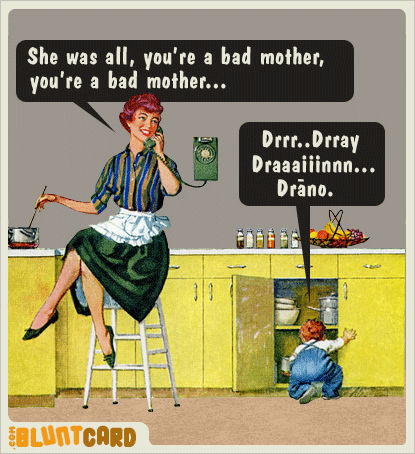
Posted: June 17, 2013 Filed under: breast cancer | Tags: Angelia Jolie's aunt dies, blunt cards, Don't Touch My Hat, gene patents, Lyle Lovett, Mastectomy photos on Facebook, Myraid Genetics, Nancy Brinker pay raise, Scorchy Barrington, Supreme Court, Supreme Court decision on gene patenting, The SCAR Project on Facebook 10 CommentsIf this blog were my child, I’d be locked up in CPS jail for extreme neglect.
Like many negligent parents, I didn’t mean to treat my baby so badly. I intended to love it and care for it and sign it a sweet lullaby every night. Really, I did. But life got in the way. My blog baby made it pretty easy for me to put it at the very bottom of my priority list: it never complains, it never cries (as Lyle Lovett says in his classic song “Don’t Touch My Hat“).

lylelovett.com
I’ve sat down many times ready to show my baby some love. I had good intentions, but ….
Some good and juicy blog topics have come and gone while I’ve been neglectful. Komen grand poo-bah Nancy Brinker’s raise in pay. The untimely death of Angelina Jolie’s aunt from breast cancer. The Supreme Court rejecting Myriad Genetics’ bid to patent our genes. And my favorite story of late: my blog friend Scorchy’s triumphant tangle with Facebook over its asinine decision to censor photos from The SCAR Project and from Facebook users themselves post-mastectomy. Scorchy took umbrage with that dumb policy and ripped Facebook a new one. Way to go, Scorch! The power of the people has never been more apparent.
I had every intention of blogging about each and every one of these topics, plus a couple thrown my way by my friend M. I will get to those (I will, I will, I will!). Hopefully before CPS finds me and locks me up for being a bad, bad blog mommy.
bluntcard.com
Girls Love Mail
Posted: May 29, 2013 Filed under: breast cancer | Tags: breast cancer and young women, breast cancer charities, getting mail, Girls Love Mail, how to help someone with cancer, sending cards 16 CommentsThroughout my long and arduous cancer “journey,” I was lucky enough to be on the receiving end of lots of mail. As much as I love email and texting for their speed and efficiency, there’s something just lovely about getting a piece of “real” mail. One friend in particular, a breast cancer survivor herself, sent me a card every week for a very long time, and seeing her familiar handwriting among the stack of junk mail made me smile every time (thanks, Jenny!). There were plenty of days in which that piece of mail was the highlight of an otherwise crummy day.
tumblr.com
Imagine my joy when a commenter on this little blog alerted me to a wonderful effort for cancer patients called Girls Love Mail. Founded by fellow breast cancer survivor Gina Mulligan, GLM collects handwritten letters of encouragement and distributes them to new members of the pink ribbon club and those going through cancer treatment. It’s simple and brilliant: you write a note and mail it to GLM, where it goes into a special envelope and is passed on to someone whose day needs brightening.
I just sent my first two cards to GLM and signed up to send something every week. Check out the GLM website; there are sample letters and ideas on what to say. If you’re impatient like me and want to just get right to it, here’s the address: Girls Love Mail 2330 E. Bidwell Street, Suite 200
Folsom, California 95630. Drop a card or note in the mail; it’s such a simple thing but it has the power to make such a difference.
No easy choice
Posted: May 22, 2013 Filed under: breast cancer, cancer fatigue | Tags: Angelina Jolie, Angelina Jolie preventative mastectomy, breast reconstruction, Dr Deanna Attai, lymphedema, The New York Times Well blog 15 CommentsI have a friend I met through this little blog. Like I, she lives in a suburb of this vast, sprawling city, although we are on completely opposite ends of the city — an hour’s drive apart. In this city of more than 2 million people, we both had the same surgeon for our reconstruction. She found this little blog while researching our shared doc. Small world, huh?
M and I have gotten to know each other in short order, as is the case when strangers are bound by the worst-case scenario. Instead of discovering that we both like to hike or collect Troll dolls or any number of commonalities that bring people together to forge a friendship, we’ve bonded over things like post-surgery infections, failed surgeries, broken promises and shattered dreams. We’ve traded war stories, vented frustrations and showed each other our scars — the ones on the outside, that is; the ones that can be seen by others.
Our most recent conversation was about how our reconstructive surgeries didn’t exactly turn out the way we expected. We’ve covered this topic before, and will likely cover it again. This most recent conversation coincided with this article in The New York Times following Angelina Jolie’s announcement that she had a prophylactic mastectomy. While Jolie has received a lot of praise, the article says that some breast surgeons worry that the general public will think that reconstruction following a mastectomy is “a quick and easy procedure” and that most people don’t fully understand what’s really involved. I certainly didn’t. I do now. Man, oh man, I do now.
The Times article elaborates: “For most patients, breast reconstruction requires an extended series of operations and follow-up visits that can yield variable results. Some women experience so many complications that they just have the implants removed.” While not all reconstruction involves implants, as in the case with M and me, that’s the most common version, and as long as one doesn’t suffer complications like M and I did, it’s a straightforward process.
It is not, however, a boob job. Roseann Valletti was interviewed for The Times article, and reports that “she is uncomfortable. All the time. ‘It feels like I’m wrapped up in duct tape,’ said Mrs. Valletti, 54, of the persistent tightness in her chest that many women describe after breast reconstruction. They look terrific, to the eye, but it’s never going to feel like it’s not pulling or it’s not tight. It took me a while to accept that. This is the new normal.”
Ah, yes…the “new normal.” M and I have discussed this “new normal.” A lot. And we’ve both come to the conclusion that we don’t like it. Not one bit. We’re so over the “look on the bright side” mentality that is forced upon us cancer patients, especially those of us “lucky” enough to have “the good kind” of cancer. Newsflash, people: there is no good kind. There are degrees of shittiness, but none of them is good.
M and I have learned the hard way that reconstruction after a mastectomy is not a simple thing, as some people may have inferred from Jolie’s experience. As stated in The Times: “Even with the best plastic surgeon, breast reconstruction carries the risks of infection, bleeding, anesthesia complications, scarring and persistent pain in the back and shoulder. Implants can rupture or leak, and may need to be replaced. If tissue is transplanted to the breast from other parts of the body, there will be additional incisions that need to heal. If muscle is removed, long-term weakness may result. A syndrome called upper quarter dysfunction — its symptoms include pain, restricted immobility and impaired sensation and strength — has been reported in over half of breast cancer survivors and may be more frequent in those who undergo breast reconstruction, according to a 2012 study in the journal Cancer.”
Running through that check list, I can say yes to bleeding, infection (not just risk of, but full-blown), scarring, persistent pain, and additional incisions. No anesthesia complications, no implants (ruptured, leaky or otherwise), or upper quarter dysfunction, although I certainly do have all of the symptoms listed, so perhaps I do have it and just don’t know it. Add to that list less-than-satisfactory aesthetic results, intermittent lymphedema, frustratingly painful scar tissue, divots in both armpits from lymph-node removal, unholy difficulty finding a bra that fits, PTSD, a near-uncontrollable aversion to antibiotics, and discomfort when reaching or stretching my arms.
Dr Deanna Attai, a mainstay in the online breast cancer community, was interviewed for The Times article and said, “We do not yet have the ability to wave a wand over you and take out breast tissue and put in an implant — we’re not at “Star Trek” medicine.”
Rats. I like the idea of just waving a magic wand and getting “Star Trek” medicine. Although, if there were such a magic wand to be waved, I’d wish not for “Star Trek” medicine, but for never having had breast cancer in the first place.

doobybrain.com
Patent pending
Posted: May 15, 2013 Filed under: breast cancer | Tags: BRACAnalysis, BRCA1, BRCA2, breast cancer in young women, gene patents, genetic risks and breast cancer, genetic sequencing, Myriad Genetics, Oncotype DX, Supreme Court 10 Comments
tumblr.com
I got a phone call from Myriad Genetics the other day, in the middle of the day. I was hard at work and not pleased about being disturbed. I looked at the caller ID to ensure it wasn’t one of my kids’ schools calling to report a sudden onset of vomiting, saw that it was neither the elementary nor the middle school, and chose not to answer. I got back to work — in this case, carefully wrapping and packing my excessive collection of martini glasses, even though I’m not a martini drinker and have never caught on to the trendy flavored martinis. Why do I have all these glasses? When was the last time anyone in this house drank anything besides beer from a bottle or champagne from a flute? If I decide to ditch the martini glasses, do I still need to wrap each one before donating them? Why is this one glass so much bigger than the rest? Where did it come from, and why do I only have one this size?
See why I don’t have time to answer a call from Myriad Genetics?
Truth be told, I figured in the millisecond of conscious thought I devoted to that readout on the caller ID that someone from Myriad Genetics must be calling to collect on a medical bill from months ago. At this point in my cancer “journey,” I have had so many tests and receive so many bills from different labs, physician groups, and hospital management companies, I would need a manager to keep them all straight. In the early days of this “journey,” my health insurance company provided a patient advocate, who acted as my manager. When I received a bill I didn’t recognize, I could call her and she would do the leg work — both with my insurance company and with the vendor billing me — to determine what I really owed and why it wasn’t fully covered. I have a 3-ring binder that is stuffed full, I mean completely full, of copies of medical bills. That binder tells an evolutionary story about my cancer “journey” from the first days of diagnosis in which I set up carefully labeled dividers to contain each category of my cancer: notes from doctors’ appointments, research, copies of test results, and a motley assortment of insurance clobber. In the days of feeling good, I would carefully note at the top of a medical bill the details of that particular transaction: the date I paid it, or the contents of the conversation with the patient advocate. In the dark days of being sick, sick, sick from the post-mastectomy infection, the correspondence is shoved helter-skelter into the notebook, crumpled and noteless. These days, doctors’ appointments and test results are few and far between, which is a good thing since the binder is so full. There is no room in the inn. My choices are continue stuffing stuff into the overly full binder, or start a new one. I don’t like either option.
Back to Myriad Genetics.
I didn’t give the phone call another thought; my thoughts were quite consumed with the martini glass collection, and my brain is rather full with the ginormous list of tasks required when moving house. I didn’t think about Myriad Genetics or the genome testing involved in the cancer “journey” until the story broke about Angelina Jolie’s preventative mastectomy. In her eloquent New York Times article, Jolie mentions the costliness of the genome testing she underwent that detected her risk factor (in her case, an 87 percent chance) of developing breast cancer and that the cost is a barrier for many women. I remember taking the Oncotype test to expose the exact characteristics of my cancer. My breast surgeon ordered the test so that we could better determine exactly what we were dealing with and decide on the best treatment, yet my insurance company denied payment because they don’t cover genetic testing. I don’t recall the exact cost of the Oncotype, and I’ve already packed my overstuffed binder, but it was definitely several thousand dollars. However, the cost of the test was a pittance compared to the cost of the chemo that two oncologists recommended before I consulted a third, Oncotype results in hand, who said chemo wasn’t necessary and in fact, would cause more harm than good. That nasty post-mastectomy infection was the final nail in the proposed chemo’s coffin; the Oncotype cost some stacks but it saved my insurance company even more.
Which brings us back to Angelina Jolie and her subtle yet effective reference to the cost of such tests and the disparity between who can and cannot afford such tests. I also had the BRCA test that Jolie subtly yet effectively mentions, and remember thinking, wow — $3,000 for swishing Scope around in my mouth then spitting the minty saliva into a collection cup? And yet that $3,000 test determined that I do not carry the gene that predisposes me — and my daughter — to breast and ovarian cancers. Jolie’s BRCA test revealed that she does carry the gene, hence her preventative mastectomy.
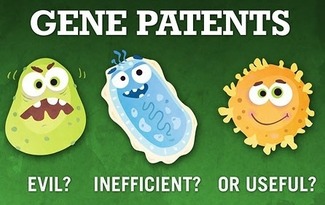
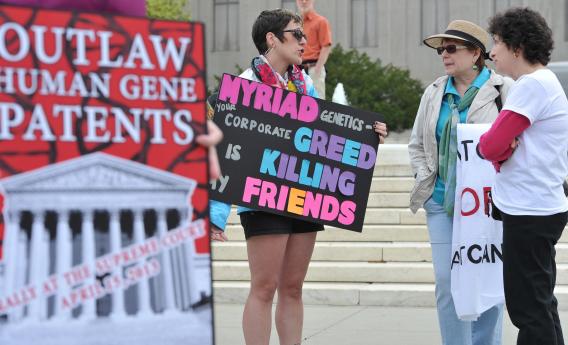
Why does any of this matter? Well, beyond the age-old debate about the haves and the have-nots in health care, of course. That’s enough of a reason. Equally important,though, is the fact that Myriad Genetics has patented the BRCA1 and BRCA2 genes. They own the genes, essentially, which gives them a monopoly on testing. Therein lies the problem. With a monopoly, other scientists and other companies can’t get in on the gene testing, which shuts the door on any possibility of discovering better and less-expensive testing methods. While Myriad Genetics needs to make a buck, just like every other company, the stakes are high when we’re talking about shutting out many customers who may not know about their genetic risk of cancer until it’s too late.
policymic.com
The Los Angeles Times described the situation quite succinctly:
“At issue is whether a human gene sequence can be patented. That’s the broad question. The two specific sequences patented by Myriad — BRCA1 and BRCA2 — are genes that suppress tumors. A small percentage of women have defective copies of those genes, and they are extremely likely to develop a virulent form of breast cancer. They also face a higher-than-average risk of ovarian cancer. Myriad’s patents give it an unusual degree of control over researching and testing for BRCA defects. Only Myriad can legally isolate the BRCA1 and 2 sequences. In the United States, that means only Myriad’s lab can conduct a full sequencing test to check a patient for the innumerable possible mutations of those genes.”
Should Myriad Genetics be allowed to essentially own these genes? That’s up to the Supreme Court to decide. The ruling is expected next month, and the debate will likely be heated before, during, and after. I’ll keep ya posted.
slate.com
Our newest spokesperson: Angelina Jolie
Posted: May 14, 2013 Filed under: breast cancer | Tags: Angelina Jolie, Angelina Jolie preventative mastectomy, BRAC1, BRCA, family history of breast cancer, Giuliana Rancic, Journeying Beyond Breast Cancer, The New York Times 11 CommentsThanks to my friend Marie at Journeying Beyond Breast Cancer for the heads-up on a noteworthy event in the breast cancer world: Angelina Jolie’s preventative bilateral mastectomy.
Yes, you read that right: Angelina Jolie had a preventative bilateral mastectomy. She spoke out on her choice in this New York Times piece. I’ve read it twice and know that I will return to it again and again. Not because she’s a celebrity (frankly, I don’t get our societal obsession with celebs; if anyone can find anything remotely interesting about Kim Kardashian besides her unfortunate maternity wardrobe, please drop me a line. I just don’t get it.).
But I digress.
I will likely return to Jolie’s article because she’s articulate and well-informed about this nasty beast called cancer. She’s proactive, which ladies and gentlemen is what makes or breaks your fight against this damned disease. She advocates for a person’s right to choose the medical care that’s right for them. True, she has money and resources unknown to most people, but her message still stands.
Normally when a celeb comes out with a revelation about cancer — particularly breast cancer — the world takes notice because it’s happening to a celebrity. We get all atwitter about the person rather than the disease and the many ways in which it affects them. It becomes about the celebrity instead of about the cancer. In the case of a celeb with breast cancer, I cringe along with my pink-ribbon sisters when that celeb boasts of having “caught it early” and even worse, waxes poetic about how exciting it is to get “new boobs.” (Exhibit A: Giuliana Rancic. I threw up in my mouth more than once while reading her account of her cancer experience and wonder if she really believes the crapola she shoveled.) Newsflash: “new” does not correlate to “better.”
Jolie writes of losing her mother to cancer at age 56, and how the disease stole from her own kids “the chance to know her and experience how loving and gracious she was.” I get that. My favorite girl was 3 when my mom died, and she has few real memories of her YaYa. There are plenty of stories that have been recounted to form memories, but nothing tangible. 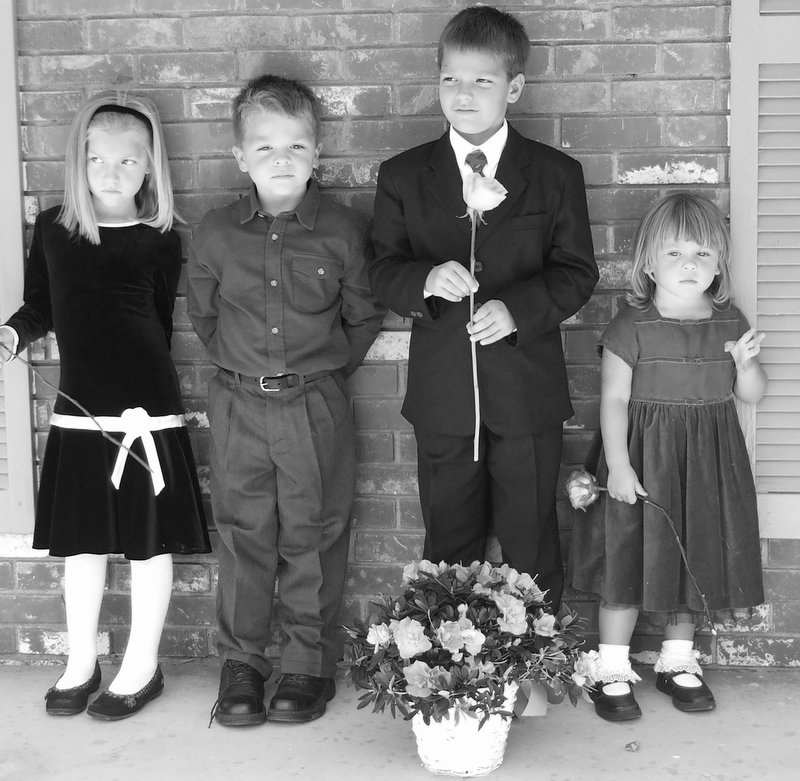
That, my friends, is a tragedy.
Jolie says she tried to explain to her children the disease that took “mommy’s mommy” and that they wondered if the same thing could happen to her. The scariest thing about my own diagnosis was explaining to my kids that YaYa’s cancer — which they watched her die from — was very different from my cancer.
But is it really?
Yes, the particulars are different — ovarian vs breast, stage II vs metastatic — but to a child, what’s the real difference here? It’s an amorphous, scary monster that snatches away the people they love.
Jolie says that “cancer is still a word that strikes fear into people’s hearts, producing a deep sense of powerlessness.” The best way to combat that powerless feeling is to do something about it. Jolie underwent the BRCA analysis, which tells us if we carry a gene that makes us more likely to develop breast or ovarian cancer. Her results: an 87 percent chance of developing breast cancer, and a 50 percent chance of developing ovarian cancer.
She goes on to say, “On a personal note, I do not feel any less of a woman. I feel empowered that I made a strong choice that in no way diminishes my femininity.”
For someone in her business, and as someone who is celebrated for her body as much–if not more–than for her charity work, that’s big.
So is the empowerment Jolie speaks of: “For any woman reading this, I hope it helps you to know you have options. I want to encourage every woman, especially if you have a family history of breast or ovarian cancer, to seek out the information and medical experts who can help you through this aspect of your life, and to make your own informed choices.”
Make your own informed choices.
The majority of breast cancers occur in women with no family history of the disease. That’s one of the many ways this stealthy beast sneaks up on us and takes over our lives. People like Angelina Jolie are helping to change this. She says, “I choose not to keep my story private because there are many women who do not know that they might be living under the shadow of cancer. It is my hope that they, too, will be able to get gene tested, and that if they have a high risk they, too, will know that they have strong options.”
Living under the shadow of cancer.
Those words will stay with me as I read and re-read her piece.
I expect Jolie to bring her considerable influence to addressing the fact that the cost of the BRCA test (upwards of $3,000) precludes many women from undergoing the test. The test is not always covered under insurance, and the insurance companies will squawk about it being unnecessary if there’s no family history of the diseases. But as Jolie says, that should not stop us from trying. Often it’s as simple as having the prescribing doctor contact the insurance company to assert the need for the test.
Jolie ends her article with this: “Life comes with many challenges. The ones that should not scare us are the ones we can take on and take control of.”
Endurance
Posted: May 12, 2013 Filed under: breast cancer, cancer fatigue 10 CommentsHave you ever cried so much that your eyes seemed like they would fall right out of their sockets? Have you ever wept so much that every inhalation felt like you were sniffing ground-up glass? Have you ever bawled long enough that your eyes were tiny yet swollen slits and your lungs hurt every time air entered or exited them? Have you ever hurt so deeply and so completely that you seriously thought you’ll never recover? Have you ever wanted crawl into your bed right now, in the midst of this swirling inferno of misery, and never, ever get up?
Don’t call or text or ring the doorbell because there will be no answer. None.
At some point in this future I may find the strength to plaster on an insincere smile and reply “Fine” when asked the inevitable “How was your Mother’s Day?” But I won’t mean it. I won’t feel it.
I just won’t.
Don’t bother telling me I have so much to be grateful for. Don’t insult me by telling me to look on the bright side. Don’t waste my time pointing out all the good in my life.
Just don’t.
I can endure the long-distance slog that is facing a cancer diagnosis. I’ve never been one to deceive myself when reality stared me in the face.
I can handle hearing the worst possible news and do it with an inquisitive look on my face.
I can hear the worst-possible news with dignity and without falling apart (at least not in public).
I can face everyone’s worst nightmare without ever once whimpering, crying, or losing it.
I can digest the worst-case scenario with a straight back and a strong will.
I can formulate a Plan-B after Plan-A dissolves like the pages in a generations-old photo album, then start working on Plan C as soon as it becomes apparent that Plan B is hopeless, too.
I can dot every “i” and cross every “t” and still be shocked when there’s no pay-off for playing by the rules.
I can handle more stress than I ever before imagined, and I can get through more harrowing ordeals than I ever would have expected.
I can endure worse pain than that required to bring a new life into the world.
I can take it when I’m told again & again that no one anticipated the scenario that has become my reality.
I can suck it up and grit my teeth through repeated instances of “no one saw this coming.”
I can make it thorough the extreme mental challenges that follow a worst-case-scenario physical test.
I can serve as the poster child for “who in the hell has that kind of terrible bad luck?”
I can thrive amidst the “everything that could go wrong did go wrong” scene.
I can be the one that even the oddsmaker wouldn’t have predicted–and not in a big-winner way.
But pit me barefoot against a goat-head thorn and I may just crumble. Ask me to endure that sharp stick of brittle thorn into the tender flesh between my toes, and I may not make it.
That thorn may just do me in.
Wordless Wednesday, part deux
Posted: April 10, 2013 Filed under: breast cancer | Tags: HAWMC, WEGO, WEGO Health, Wordless Wednesday. 12 CommentsDay 10 of WEGO’s Health Activist Writer’s Month Challenge tells me to post a favorite picture of myself. I don’t generally like pictures of myself because my eyes are huge and spaced far apart (which worked well for Jackie O but for regular people, not so much) and I always look a bit depraved in photos. However, in a rare showing of open-mindedness and willingness to play along, here ya go. In fact, I’m so open-minded and willing today (but only today, so get it while ya can), I’m posting not one but two pics of myself.
 This one is my #1 son’s second birthday, in May 2001. We had a party at the neighborhood rec center and all went swimmingly until the mini fire truck we rented for the kids to ride in broke down and the dads who attended the party had to push the truck around the parking lot. Good times.
I chose this pic because at that time in my life, cancer was the farthest thing from my mind. I was much more focused on coordinating my and Trevor’s outfits to match the party theme. In a totally random aside, I found those toile pants I’m sporting in this photo when I cleaned out my closet last weekend, and they still fit. Barely. But I’m calling it a win.
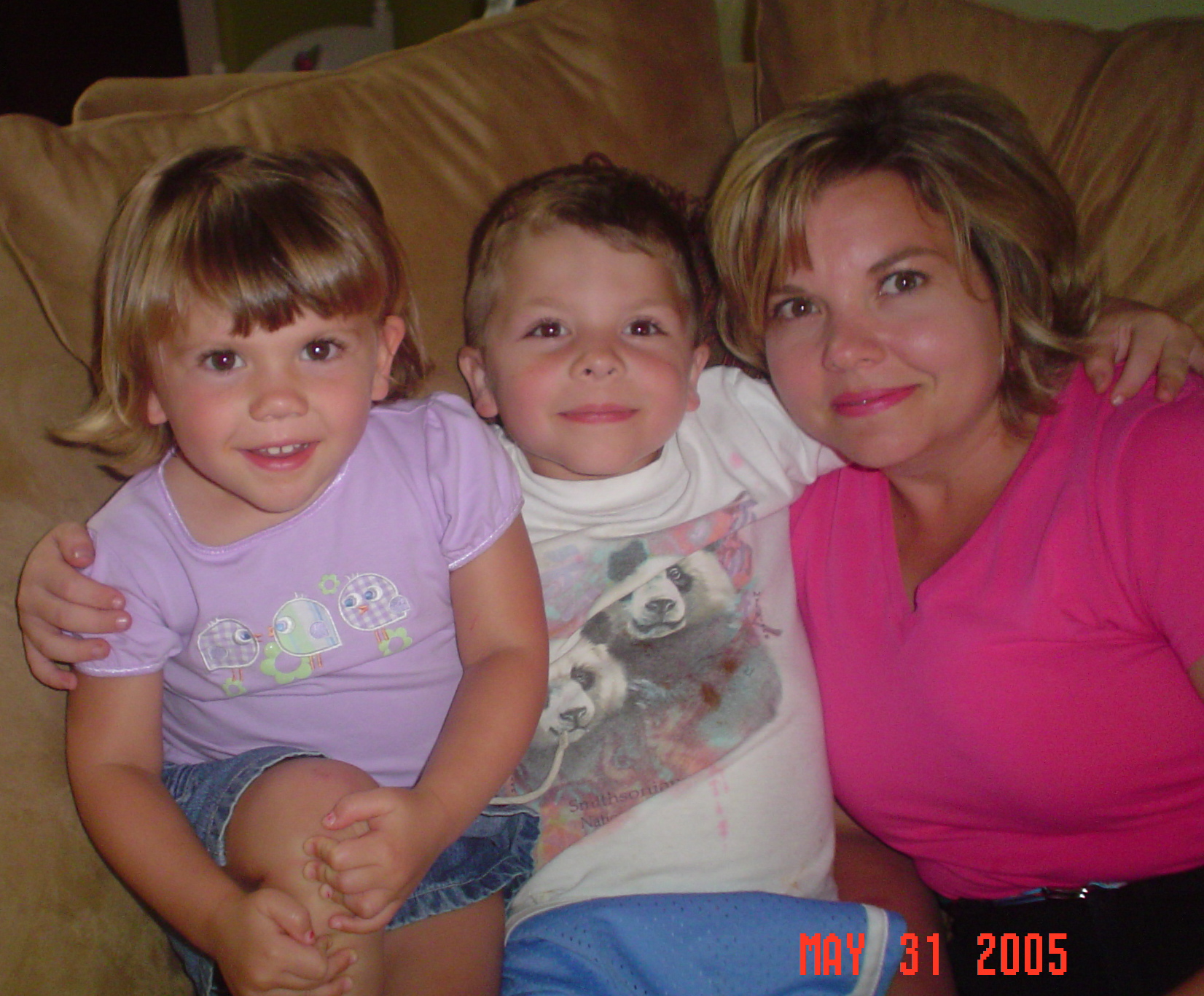
Photo #2 was taken on my 36th birthday, before cancer so rudely interrupted my life. Again, I have the depraved look in my eye, and knowing myself the way I do, I can see an undercurrent of “hurry up and take the damn picture” and “Sweet baby Jesus I hate having my picture taken” but I love, love, love the proud look on Payton’s face as he wraps his arms around the two ladies in his life. My favorite girl has her usual impish look about her, and she was likely wise-cracking as Trevor took the picture.
Care for the caregivers
Posted: April 9, 2013 Filed under: breast cancer | Tags: advice for caregivers, HAWMC, help for caregivers, WEGO, WEGO Health 5 CommentsDay 9 of the Health Activist Writer’s Month Challenge is all about caregivers. Today’s prompt asks me, the patient, to give advice to the caregiver.
I have two pieces of advice. First, take care of yourself so that you can better care for your ailing loved one. It seems simple, but in the midst of all the caregiver’s duties, it’s easy for this to fall to the bottom of the list. 
Second, delegate! If you’re overwhelmed, ask for help (says the woman who’d rather open a vein than be dependent on someone else). People in your social circle want to help, and often are at a loss as to how they can help. Whatever task can lighten your load, delegate it. When someone says, “Let me know if you need anything,” speak up! 

 The Pink Underbelly
I hope AJ has unplugged
Posted: May 17, 2013 | Author: pinkunderbelly | Filed under: breast cancer | Tags: Angelina Jolie, bilateral mastectomy, BRCA, breast cancer in young women, cancer in young women, criticism for mastectomy, genetic risk and breast cancer, negative comments to cancer patients, New York Times op-ed piece, prophylactic mastectomy | 16 CommentsThe backlash surrounding Angelina Jolie’s announcement that she has a prophylactic bilateral mastectomy is a lot of things: stunning (not in the good way), discouraging, upsetting, disgusting, rage-inducing, sad…the list is long.
I keep telling myself to just stop reading the negative headlines and judgmental comments, but I can’t. I’m drawn to them like a thirsty girl to a sparkling glass of bubbly.
The comments range from stupid to mean to crazy. This crackpot goes way out on a limb with a conspiracy theory (thanks to my friend Katie for alerting all of us to this blood-pressure raiser). A couple of gems from Mike Adams, who calls himself the Health Ranger, but whom I’m calling Senor Crazy-Pants:
According to Senor Crazy-Pants, we could avoid cancer with a healthy diet and lifestyle. So it’s my fault that I got cancer, even though I don’t eat meat, choose organic, strive for a plant-based diet, and avoid processed foods and environmental chemicals.
Unbelievable.
Other comments:
“This is no less than a media stunt to gain more market share to stay up high on the A list.” Right. As if her every move isn’t chronicled by papparazzi. Going to the grocery store is People-worthy news for her.
“RIP Angie’s boobs. You had options, dummy!” And what options would those be? Living in fear? Wondering if this year’s well-woman exam would turn up a lump? Hide under the bed and hope it all blows over? Who’s the dummy here?
“Angie cuts off her boobs, Brad’s gonna be f****** the nanny!” Yes, because nice boobs are the only reason a man would want to be intimate with a woman.
“What a waste of a bangin’ set of boobies.” The waste here is that this commenter is alive and breathing air while Angelina’s mother is dead from ovarian cancer.
“Angelina Jolie’s boobs have been removed…I’ll never smile again.” I’ll give this tweeter partial credit for being creative, but that’s it.
“Because you can never be too careful these days, with the cancer industry scaring women half to death at every opportunity. ‘My breasts might murder me!’ seems to be the slogan of many women these days, all of whom are victims of outrageous cancer industry propaganda and fear mongering.” Damn that cancer industry and its propaganda and fear mongering!
“Being an empowered woman doesn’t mean cutting off your breasts and aborting live babies — even though both of these things are often celebrated by delusional women’s groups. Being an empowered woman means protecting your health, your body and your womanhood by honoring and respecting your body, not maiming it.” Damn those delusional women’s groups. And I guess I missed the news story that Jolie had a late-term abortion as well as a mastectomy. Were they at the same time?? Did the “highly unprofessional” surgeon referred to in a previous comment perform the abortion, too?? Is that covered by insurance??
Good grief.
One of my fellow bloggers had a much more useful comment. When I read it, I copied it and pasted it, but forgot to attribute it, and now I can’t remember who wrote it. Apologies, ladies. If this is yours, please tell me so in the comments section so I can thank you properly. “There are no ‘good’ choices in such cases: only bad and worse ones. Making them in Jolie’s situation, when your own mom has died of cancer, is even harder.”
Truer words are seldom spoken (or typed). While I’m a proponent of freedom of speech in general, I wish there were a rule that prevented idiots and mean-spirited fools from spouting off on something with as much gravitas as Jolie’s decision. I wish there were a policy stating “If you haven’t had cancer, your voice will not be heard.”
  I wish there were an amendment upholding the right of those of us who’ve lost a beloved member of our tribe to speak about the pain and grief and unfillable hole left by that person’s death.
 I wish there were a mute button to be used when people spew garbage about a situation in which they know nothing.
I really wish that everyone who takes the time to render their judgement and register their opinion on a total stranger’s wrenching choice would read Jackie’s post on this heated topic:
thank you, google images, for providing such lovely graphics.
sorry about the formatting; not sure what’s up with that.