MBI — much kinder than BMI!
Posted: January 30, 2013 Filed under: breast cancer | Tags: dense breast tissue, dense breasts, mammograms, MBI, Methodist Hospital Sugar Land, Methodist Hospital Sugar Land Breast Center, molecular breast imaging 8 CommentsThe other day I wrote about breast density and the state laws requiring mammogram providers to give notice when a woman they screen has dense breasts. In a curious twist of fate — the sort that makes me take notice of such coincidences — today I read about Molecular Breast Imaging (MBI), which is taking place at my local hospital. Kismet. I love it when that happens.
Dr Stephen Phillips, a radiologist at the Methodist Sugar Land Breast Center, wrote an article about MBI, proudly announcing that my local hospital is the first one in the greater Houston area to offer MBI as a secondary screening. This is no small feat considering H-town is the epicenter of medical care.
Because conventional mammograms don’t always show tumors in dense breasts, MBI is quite promising. In clinical trials, MBI was successful in giving a clearer image than what can be obtained by a regular mammogram.

In addition, MBI can detect three times as many cancers in women with dense breasts, it is said to use one-third the compression pressure as a conventional mammogram, and it contains roughly the same amount of radiation as a digital mammogram. Win-win-win.
A radioactive dye is injected before the screening; if a tumor is present in the breast, it soaks up the radioactive tracer and lights up the screen.
This is great news, awesome news for all the dense-breasted women out there. And that it’s being used right in my neighborhood is pretty great, too. I knew I liked the Breast Center the first time I went there (and not just because of the priority parking spaces!).
Are you dense?
Posted: January 28, 2013 Filed under: breast cancer | Tags: areyoudense.org, breast density notification laws, dense breast tissue, dense breasts, Henda's Law, mammograms 14 CommentsA hefty thanks to my good friend AnneMarie over at Chemobrain for alerting me to this topic. She wrote this post about a newly minted law in New York. I’m purposefully ill-informed about such current events; I don’t watch the news and I cherry-pick which stories I follow because the local news is full of big-city sensationalism and the national news wears me out, particularly with the uptick in political/biparty bickering. When election time rolls around, I do some concentrated research on my local and national candidates, but don’t need all the buzzy asides about which congressperson is misbehaving or which serial killer is still at large or who eye-rolled whom. As my wise friend Amy Hoover says, I know about all the current events in my home, and that’s enough to keep up with.
The news of the new dense breast laws did catch my attention, though, thanks to AnneMarie. And it got me thinking. It’s estimated that half of women over age 50 have dense breasts, and one-third of women younger than 50 have ’em. I was one of those under-50s with dense tissue, and these new laws make me wonder how things would have played out for me several years ago had such red-flag measures been in effect.
Breasts are a mix of fatty tissue and dense tissue, and dense breasts make it harder for a radiologist to spot a tumor on a mammogram. Because mammograms use x-ray technology, both tumors and dense tissue appear as white. Is it a tumor? Is it just dense tissue? It’s hard to tell, and if a potential tumor is dismissed as dense tissue, that’s a bad scenario. A study done by Dr Thomas Kolb, a radiologist in New York whose specialty is spotting breast cancer, showed that mammograms missed 60 percent of cancers in women with dense breasts. In addition, women with dense tissue are said to be five times more at risk for getting breast cancer, and dense tissue is a greater risk factor than a family history of the disease. Talk about a double whammy.
Several states besides New York — including California, Connecticut, Virginia, and the great state of Texas — have laws that require mammography providers to inform a woman if she has dense breasts. In Texas, the law is nicknamed Henda’s Law after a Dallas woman, Henda Salmeron, who was diagnosed with stage 2 breast cancer after her 2009 mammogram failed to find the tumor. Salmeron says she’d never even heard of dense breast tissue — on her body or anyone else’s — until she sat in an oncologist’s office hearing the details of her cancer. While I’m not a fan of big government, considering that estimates say that 95 percent of women are unaware of their breast density, I’m liking the notification laws. Insurance companies will likely cry foul, citing increased costs and the potential of scaring women with such notification. The fact is, breast cancer — any cancer — is scary, and life is hazardous. But isn’t it better to know what you’re dealing with — in this case, dense breasts that may not be properly examined by a mammogram alone? The wording required by the New York version of the notification law is this:
“Your mammogram shows that your breast tissue is dense. Dense breast tissue is very common and is not abnormal. However, dense breast tissue can make it harder to find cancer on a mammogram and may also be associated with an increased risk of breast cancer. This information about the result of your mammogram is given to you to raise your awareness. Use this information to talk to your doctor about your own risks for breast cancer. At that time, ask your doctor if more screening tests might be useful, based on your risk. A report of your results was sent to your physician.”
In Texas, the wording is this:
“If your mammogram demonstrates that you have dense breast tissue, which could hide abnormalities,
and you have other risk factors for breast cancer that have been identified, you might benefit from
supplemental screening tests that may be suggested by your ordering physician. Dense breast tissue, in
and of itself, is a relatively common condition. Therefore, this information is not provided to cause undue
concern, but rather to raise your awareness and to promote discussion with your physician regarding the
presence of other risk factors, in addition to dense breast tissue. A report of your mammography results
will be sent to you and your physician. You should contact your physician if you have any questions or
concerns regarding this report.”
Is this scary? Would opening an envelope to read this send you into a panic? I honestly don’t think so, but I’m on the other side of the island here, having already received the scariest news of “You have breast cancer.” Regardless of the fear factor here, as New York Govern0r Mario Cuomo points out, “Missed cancers, growing undetected until at a later stage, are less treatable, the least survivable and most expensive to treat.”
These notification laws can be traced back to a woman named Nancy Capello. A Wall Street Journal article describes Cappello’s story, which is rather similar to my own. A decade of mammograms for Capello showed dense breast tissue, but she had no idea that such tissue means a less-reliable mammogram. When her latest annual mammogram showed a suspicious spot, she got an ultrasound to go along with her mammogram. The ultrasound showed a 2.5 cm tumor–the size of a quarter–which a decade of mammograms had missed. In the chain of events that follows a bad report from a radiologist after a mammogram, Cappello found that her stage 3 cancer has spread to 13 lymph nodes.
Capello asked her OB-GYN why women are not informed of their dense tissue and its potential to hide tumors and was told that it’s not standard procedure. While still in the thick of chemo and radiation, Capello set out to change the standard procedure. She founded areyoudense.org to educate women and require that they be notified of their risk. Capello went on a hunt for evidence-based science–not pink ribbon party lines– and found multiple studies involving more than 42,000 women (ironically, slightly fewer than the number of women who die from breast cancer in the United States each year). These studies show that for women with dense tissue, adding an ultrasound to a mammogram nearly doubles the rate of tumor detection — from 48 percent to 97 percent.
Like Capello, I dutifully got my mammogram every year, even thought I was a long way from 50 when I got my first one. My annual mammograms started at age 36 because my mom died of ovarian cancer and my OB-GYN (who is married to an oncologist at MD Anderson) is very pro-active. Every year my mammo came back questionable, and the reason cited was dense tissue. However, the citing was never presented in a manner that raised a red flag, and since I was “so young,” that dense tissue didn’t seem like any big deal. One year my OB-GYN sent me to a breast specialist, just to be on the safe side, and I had a biopsy but it came back negative. Fast-forward a few years to DCIS and invasive tumors in one breast, and Paget Disease and 5 cm of cells just waiting to become a tumor in the other. While I knew I had dense breast tissue, I had no reason to think it was anything more than just a particular feature of my body, like the chicken-pox scar on my forehead, or my small feet, or the birthmark on my shoulder. I thought I was doing my due diligence by getting a mammogram every year, despite my young age. The knowledge that we learn after the fact is the most hard-won because it often turns out the be the turning point. How was I supposed to know that my dense breasts were concealing a growing cancer, and that an ultrasound or MRI could have found it years before it had a chance to become a force that would turn my life upside-down? Lessons learned the hard way.
While the notification laws weren’t on the books during my mammogram days, they are now, and hopefully some women who receive these notices will go on to get ultrasounds and/or MRIs to rule out or confirm breast cancer. In an ideal world, every woman would be well-informed and proactive about her health — including her breasts — and would have access to the information, the screening, the guidance, and the care needed to navigate this situation. In an ideal world, we wouldn’t need the government to tell us that our mammogram showed dense tissue and that may be a red flag. In an ideal world, women like Henda Salmeron and Nancy Capello would never be shocked by the knowledge obtained after it’s too late to stop the speeding train that is a cancer diagnosis. In an ideal world, a woman who received a state-mandated letter about her dense breasts and the potential for more serious problems in them wouldn’t have to worry about how to pay for that ultrasound or MRI. But we all know we don’t live in an ideal world.
One thing is certain: I don’t need to worry about my dense breasts anymore, since they’re gone.
Preventative mastectomies under fire
Posted: January 23, 2013 Filed under: breast cancer | Tags: Allyn Rose, Allyn Rose mastectomy, Paget Disease, preventative mastectomy, prophylactic mastectomy, yoga positions 22 CommentsRight before I left for yoga today, I read a blog post that got my blood boiling. Not a good state of mind for walking into yoga, right? The main reason I put myself through yoga is to calm my mind. Getting all riled up right before class doesn’t quite fit the mind-body-spirit calm I’m trying to achieve.
I spent the first part of the class kicking myself for not being able to stop thinking about the post. I spent the second part of the class kicking myself for allowing myself to get so worked up and for feeling as if I need to butt in and right the wrongs that occur on any given day in suburbia. I guess I’m like 50 Cent, who says he’s a writer and a fighter. I don’t fancy myself much of a writer (I just convey what’s in my head onto the computer screen and hit “publish”) but I suppose I am a fighter. I knew I would not put the issue to rest but would blog about it myself. (I’m not including a link to the post that got me so fired up because I don’t want to drive any traffic to that site.)
Fighting is the last thing I want to think about as I enter the darkened yoga room with calming music and tinkling wind chimes, and I sure didn’t want to interrupt my pursuit of a good stretch and a quieted mind. I came up with many reasons why I should leave it alone — when I should have been inhaling and exhaling and seeking that inner peace. I talked myself off the ledge while downward-facing-dogging. I scolded myself for being a rabble-rouser while I planked. I reminded myself that I need not be a crusader of truth and justice as I reclined in pigeon. As the instructor asked us to set our intention for the class, I visualized a blackboard with myself writing “I will not blog angrily” over and over, Bart Simpson style.
It was all for naught. My futile attempt to leave it alone, to let it go was just that — futile. I blame some of it on our yoga instructor. She led me to do it. Indirectly, of course. As we went through the palm pose, she mentioned that the beauty of the palm is that it can bend and sway with changes and things that don’t matter, but for things that are important, the palm can stand firm.
That did it. I’m not much of a bending, swaying palm but more of a stand-firm palm.
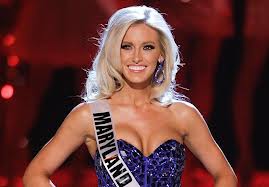
The topic of the blog post that got my palm-fronds in a twist? This woman.
nydailynews.com
Allyn Rose, Miss Maryland, who competed in the Miss America contest 10 days ago.
She didn’t win the pageant, so why is some half-baked blogger (the other guy, not me) blogging about Rose? Because Rose is planning to undergo a preventative bilateral mastectomy this summer.
Quick back story: Rose’s mom died from breast cancer at age 50; Rose was just 16. Her grandmother and great aunt also died from breast cancer. She said, “I had to become my own mentor. I had to go pick out my prom dress by myself. I had to go to my high school graduation without my mom. She didn’t see me go off to college or go on my first date or drive a car for the first time.”
Despite the existence of a genetic anomaly in this family that causes women to get — and die from — breast cancer, the other blogger has judged her harshly, saying that she’s buying into a culture of self-mutilation and that popularity and that acclaim are just one surgery away. Even more disturbing is his comment that preventative mastectomies are butchery. See why it was so hard for this palm to bend and sway?
The backlash that is raining down on Rose is harsh, both in the form of the comments on Mr Half-Baked’s blog and comments from medical professionals on the subject.
Sandra Swain, medical director of Washington Cancer Institute in Washington, DC, fears that women who have lost family members to breast cancer could take Rose’s example too literally. “We’re seen a rise in prophylactic mastectomies and a lot of it is not for a medical reason; it is because of fear and anxiety,” she said.
What?? The idea that a medical professional would downplay the role that fear plays in cancer is sick. Guess what, Sandra — cancer is scary. Watching someone you love die from cancer is scary. Wondering if you’re next is scary. I’m going to go out on a limb here and say that every aspect of cancer is scary. Second, the implication that women would choose to undergo a prophylactic mastectomy because Miss Delaware suggests it is ludicrous. Is this the same mentality that drives advertising execs to create campaigns that imply that if a man uses a particular brand of shaving cream, a hot, scantily clad woman will be all over him in his bathroom?
More backlash via a New York Times article published yesterday, in which researchers throw out some numbers on preventative mastectomies: “As many as 15 percent of women with breast cancer — 30,000 a year — opt to have both breasts removed, up from less than 3 percent in the late 1990s.” Is this rise because of hysterical women making rash decisions, as Swain suggests? Or is it based on improved screening that finds breast tumors earlier? Or is it attributed to the fact that despite what Komen wants us to believe, precious little progress has been made in 30 years and that women continue to be diagnosed with and die from a disease that has no cure? The NYT article goes on to say that “it appears that the vast majority of these women [getting preventative mastectomies] have never received genetic testing or counseling and are basing the decision on exaggerated fears about their risk of recurrence.”
The feminist in me is disgusted by the implication that women make such rash decisions. What if a man chose to have a preventative prostatectomy if he had a family history of the disease? Would there be an article in The New York Times about it, with so-called health experts criticizing him and implying that he made a snap decision? I defy these talking heads to find a woman who so breezily agrees to have both her breasts removed in a long surgery with an even longer recovery. Trust me, this decision is made with careful consideration of the gut-wrenching pros and cons.
How about this part of the NYT article: “In addition, doctors say an increasing number of women who have never had a cancer diagnosis are demanding mastectomies based on genetic risk. (Cancer databases don’t track these women, so their numbers are unknown.)”
If cancer databases don’t track these women, how can doctors know that more of them are demanding mastectomies? Is this yet another example of how women in this situation are patronized?
Dr. Isabelle Bedrosian, a surgical oncologist at M.D. Anderson Cancer Center right here in Houston spoke out on this issue, saying “We are confronting almost an epidemic of prophylactic mastectomy. I think the medical community has taken notice. We don’t have data that say oncologically this is a necessity, so why are women making this choice?”
If you believe the NYT article, women are making this choice because they have nothing better to do. Come on, man.
To Dr Bedrosian, I say that until prophylactic mastectomy rates actually do reach epidemic status, perhaps we should focus on the fact that breast cancer is the epidemic here, not the surgery used to get rid of it.
Can we consider for a second that women like Rose, with horror-story caliber genetics, are proactive about their health? Can we entertain the idea that maybe women are willing to sacrifice their breasts in order to avoid a disease that kills nearly 40,000 women a year in this country alone? Can we realize that there are countless women around the globe who’ve watched their mother/sister/aunt/cousin/grandmother die from a relentless disease, who don’t want that same fate to befall them? Where’s the database on women like me, who chose a bilateral mastectomy although cancer was found in just one breast, only to discover post-mastectomy that the other breast was also infected? Had I not opted for a bilateral, the other breast–which contained a cluster of cancerous cells that measured 5 cm in diameter, as well as Paget Disease to boot–would become a ticking time bomb. Who knows, perhaps the cancerous activity in the other breast might not have been discovered until it was late-stage and hard–or impossible–to eradicate. The idea that any woman makes the decision to have a bilateral mastectomy willy-nilly is beyond insulting.
I’m tempted to treat Mr Half-baked blogger to a brief history of my own cancer diagnosis, at age 40, and the bilateral mastectomy I had while my kids were 8 and 10 years old. I would recount how I was unable to lift my arms for a week, and had to have help to wash my face, brush my teeth, change clothes, and feed myself. I would explain that in addition to losing both my breasts, I contracted a nasty infection 3 weeks later that kept me hospitalized for nearly a month — while my 10-year-old son’s baseball team went to the State Championship — and required multiple rounds of IV antibiotics and oral drugs for nearly a year. I would mention that while I’m currently NED, not a day goes by that I don’t worry about recurrence, and that after undergoing reconstruction that was deemed successful, I am still confronted daily by the scars that serve as a blatant reminder of the disease. I would concluded my rant by asking if he still feels qualified to judge a woman for “mutilating” her body.
Namaste, y’all.
Nature or nurture?
Posted: January 22, 2013 Filed under: breast cancer | Tags: Greek cookies, life after cancer, My Beloved World, nature vs nurture, psychological effects of cancer, Sonia Sotomayor, Sotomayor's memoir, Supreme Court Justices, Tamoxifen side effects, the new normal after cancer 12 Comments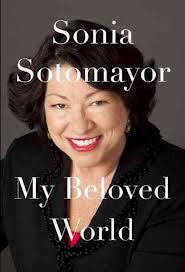
npr.org
The literary world is abuzz at the memoir of Supreme Court Justice Sonia Sotomayor. Her book My Beloved World chronicles her early life in the Bronx as a part of a close-knit but troubled family. Her dad was alcoholic and died when Sotomayor was 8 years old, the same year she was diagnosed with juvenile diabetes. Her mom struggled to open herself up to happiness after a tumultuous marriage, and Sotomayor faced difficulties as a young Latina with big aspirations.
I’ve just started reading Sotomayor’s book, and already I’m hooked. In an interview with O Magazine, Oprah asked Sotomayor about a question that Sotomayor raises in her book: How is it that some people are faced with adversity and it makes them want to rise to the highest part of themselves, and other people, faced with the same adversity, get knocked down. Is that nature or nurture?
I’ve often wondered this myself, and never more than I have while enduring the cancer “journey.” What is it that makes some people wither under the strain of the disease, while others adopt a “take no prisoners” attitude and commence with the ass-kicking?
Sotomayer’s answer is not driven by cancer, but what she says applies to pretty much any adversity that comes along. She says that people who have been nurtured, presumably as young children by loving and involved parents, have the confidence to be optimistic and to try things even when there’s a risk of failure. She says “The test of your character is how often you get up and try again.”
I can only speak for my own experience, which was a Cracker-Jack idyll of childhood in a loving home with parents who believed in me and instilled confidence and optimism. Is this why I was able to face my cancer diagnosis head-on and without taking to my bed with covers pulled tight over my head?
I dunno.
Was it a by-product of my childhood, or was it from watching my mom endure her own cancer “journey” without a shred of self-pity? Even though her “journey” was a bazillion times harder and more trying than mine has been, she never once complained or said “I can’t do this any more.” She did every single thing required of her, even when her body was giving her every reason not to, and she did it quietly and stoically. The disease prevailed in the end, claiming her life and robbing her legions of loved ones of her presence, but she put up a hell of a fight.
There’s been nothing quiet or stoic about my “journey,” and many times I could imagine my sweet mama chiding me for expressing my frustration so vocally and with so many curse words. Many times I heard her voice in my ear reminding me to be patient with the slower-than-molasses healing. Many times I felt her gentle reminder to go easy on my docs, who were doing their best to help me (and if she were around, she would have baked them a loaf of bread or a batch of kourambiethes as a peace offering for the not-so-nice way I vented my frustrations in their offices).
I wish my sweet mama were here now, so I could ask her opinion of the nature-vs-nurture question. I think she would relate to Sotomayor on many levels. I know she would downplay the enormous gift she gave me by being a loving, nurturing, involved parent by telling me that it’s just what you do. And I’m pretty sure she would boss me and tell me to allow my kids to have dessert more often, because they need a treat.
Despite my sweet mama’s undeniable effect on my life, I don’t feel especially confident or optimistic these days. While the worst of the cancer “journey” is behind me, the toll it’s taken on my sense of self is great. The reality of creating a life after cancer isn’t easy, with body issues and fear of recurrence being key players. My hormone-blocking BFF, Tamoxifen, wreaks untold havoc on my body and has aged me at an alarmingly accelerated pace. The rigors of check-ups, follow-ups, and scans for new cancerous activity are wearying. The uncertainty of why a group of cells went haywire in an otherwise healthy body is unnerving and serves as a reminder that nothing is a sure thing: you can eat right, exercise, and be pro-active about your health and still fall victim to cancer. It’s not fair, it’s not right, yet there it is.
Perhaps this is a commonality the befalls those of us on this “journey” — like moving through the stages of grief. Perhaps it’s normal that at a certain point, after cancer is no longer the main focus of the majority of our waking hours, we realize how crazy hard the whole thing was and still is. Perhaps instead of being left with a sense of pride in having survived the worst-case scenario, we realize it’s a hollow victory. Perhaps once the adrenaline wears off, we’re left with the dull thud of reality saying, “You survived the worst, now whatcha gonna do?” As I’ve written before, perhaps the soul-crushing depression about the “new normal” that follows a cancer “journey” is what we’re left with when it’s all said and done. Add all of this to the confusion over whether we dodged a bullet by surviving or were dealt a direct hit right between the eyes by being diagnosed in the first place; then throw in a healthy dose of survivor’s guilt; and heap on the searing realization that all we endured is a walk in the park compared to other people’s “journey.” Considering all of this, it makes me wonder how anyone can rise to the highest part of themselves rather than being knocked down by adversity. Although I’m not sure how it’s done, I’m certainly glad Sonia Sotomayor raised the issue.
Celebrating another year of my favorite girl
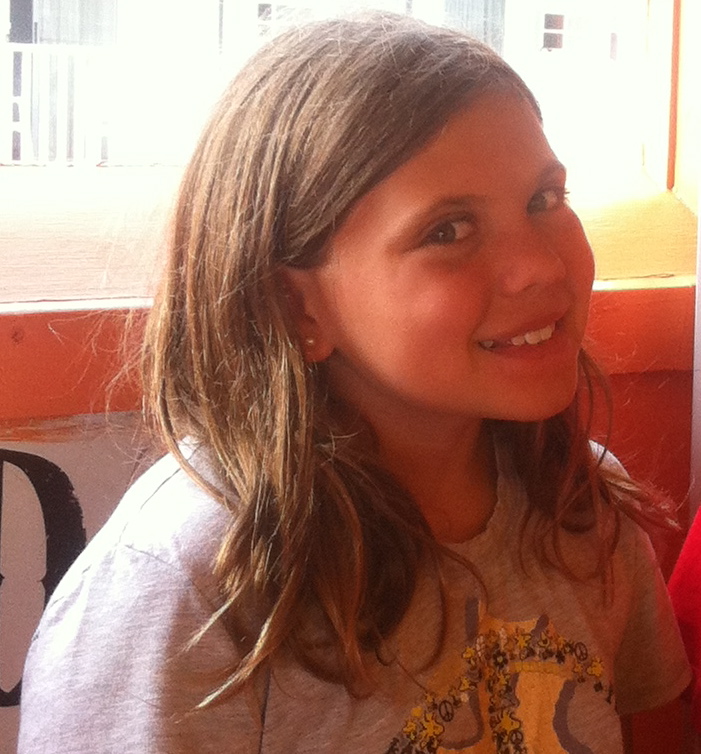
Posted: January 14, 2013 Filed under: kids | Tags: baking cookies, Juliana pig, kids in the kitchen, kids' birthday parties, micro mini pig, Paula Deen's yellow cake with lemon curd and coconut, pet pig 23 CommentsLast year’s photoglut for Macy’s birthday was so much fun that I’m doing it again. My favorite girl turned 11 yesterday, and after a jam-packed weekend of celebrating, we’re all exhausted but smiling at all the fun we had. 
My girl has a unique blend of steely determination and all-encompassing kindness. She may well be an “old soul” based on the compassion and insight she possesses. She pays attention to the little things, like having flowers waiting for me when I get out of the hospital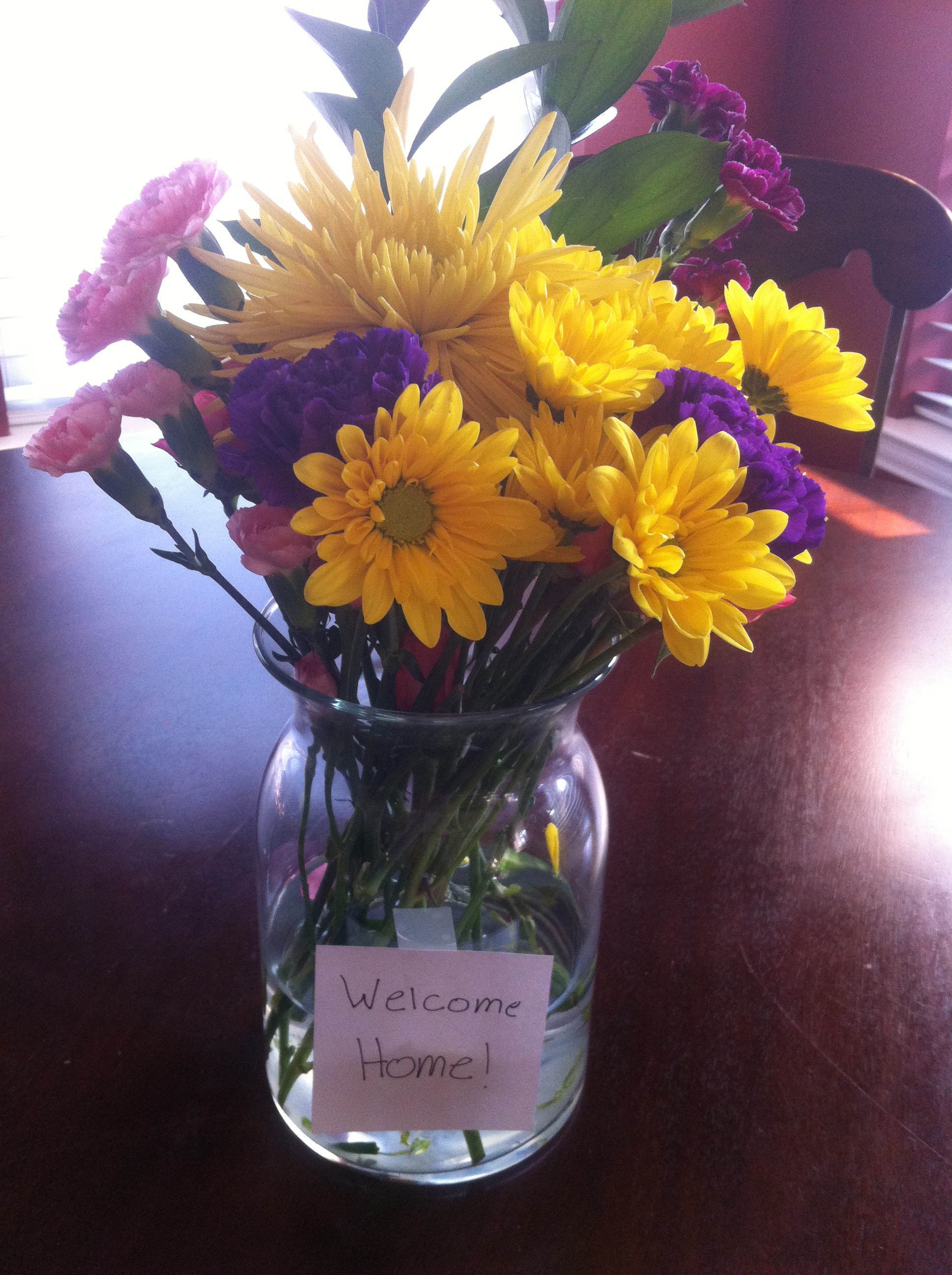
and giving me a week off from cooking dinner — the best gift I’ve gotten in a long time!
She’s the type of kid who makes it easy to be a good parent: she does her homework as soon as she gets home from school, brushes her teeth without being asked, keeps her junk-food intake in check, regularly tries new and healthy foods, and keeps an eye on the clock so she can respect her bedtime.
I know…kinda sickening, isn’t it? Don’t be too jealous; I do have a 13-year-old boy at home, too.
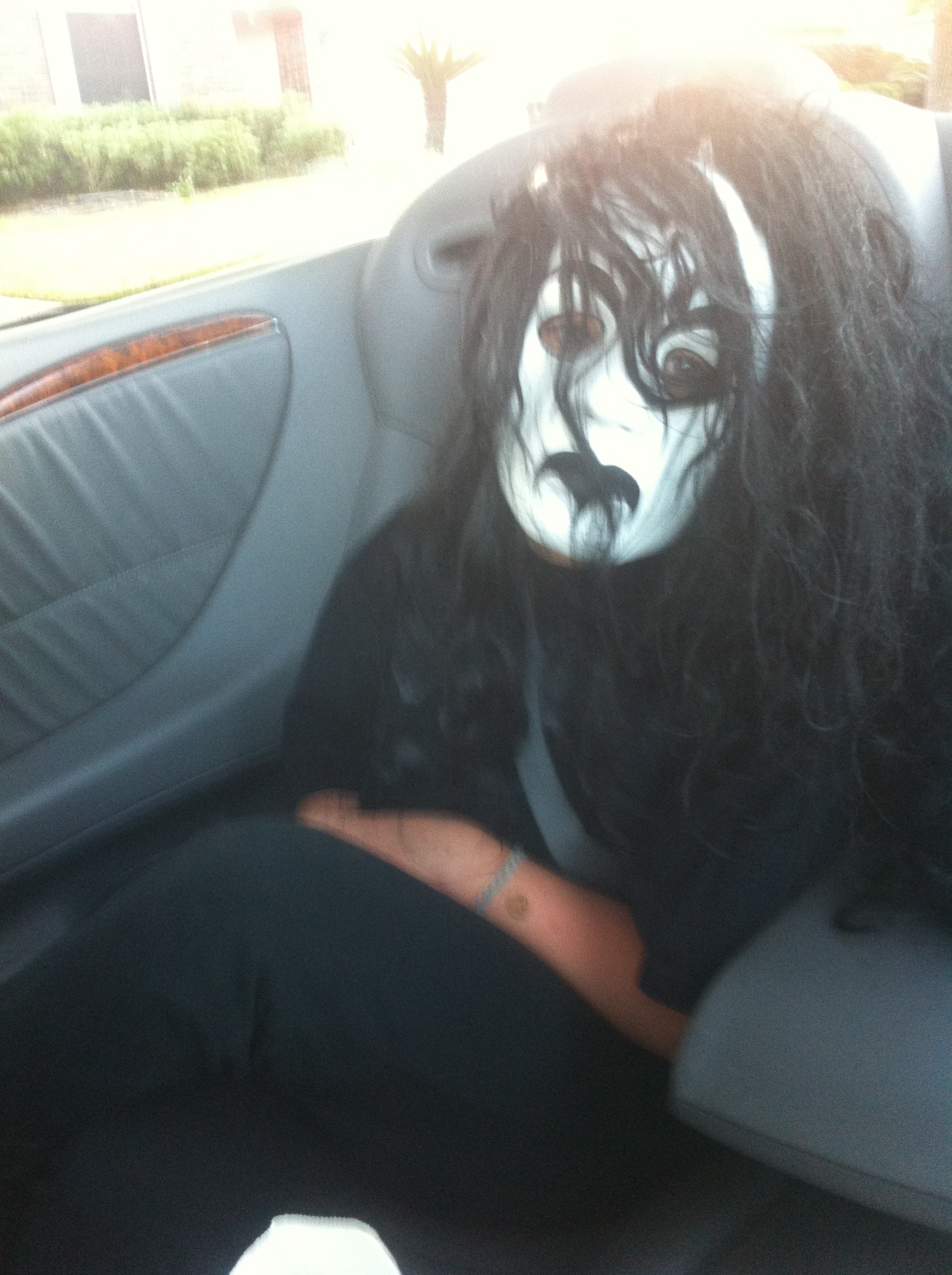
As conscientious as she is, she’s equally wacky. For career day at school, her choice wasn’t a veterinarian or a teacher. She wanted to be the lead singer for KISS. I’m sure her teachers were very impressed.
She used the same costume for Halloween, which made it easy on me!

Miss Wacky insisted on wearing a rainbow afro wig when she went to see Madigascar 3 at the movies. Just like the zebra character in the film, she rocked it!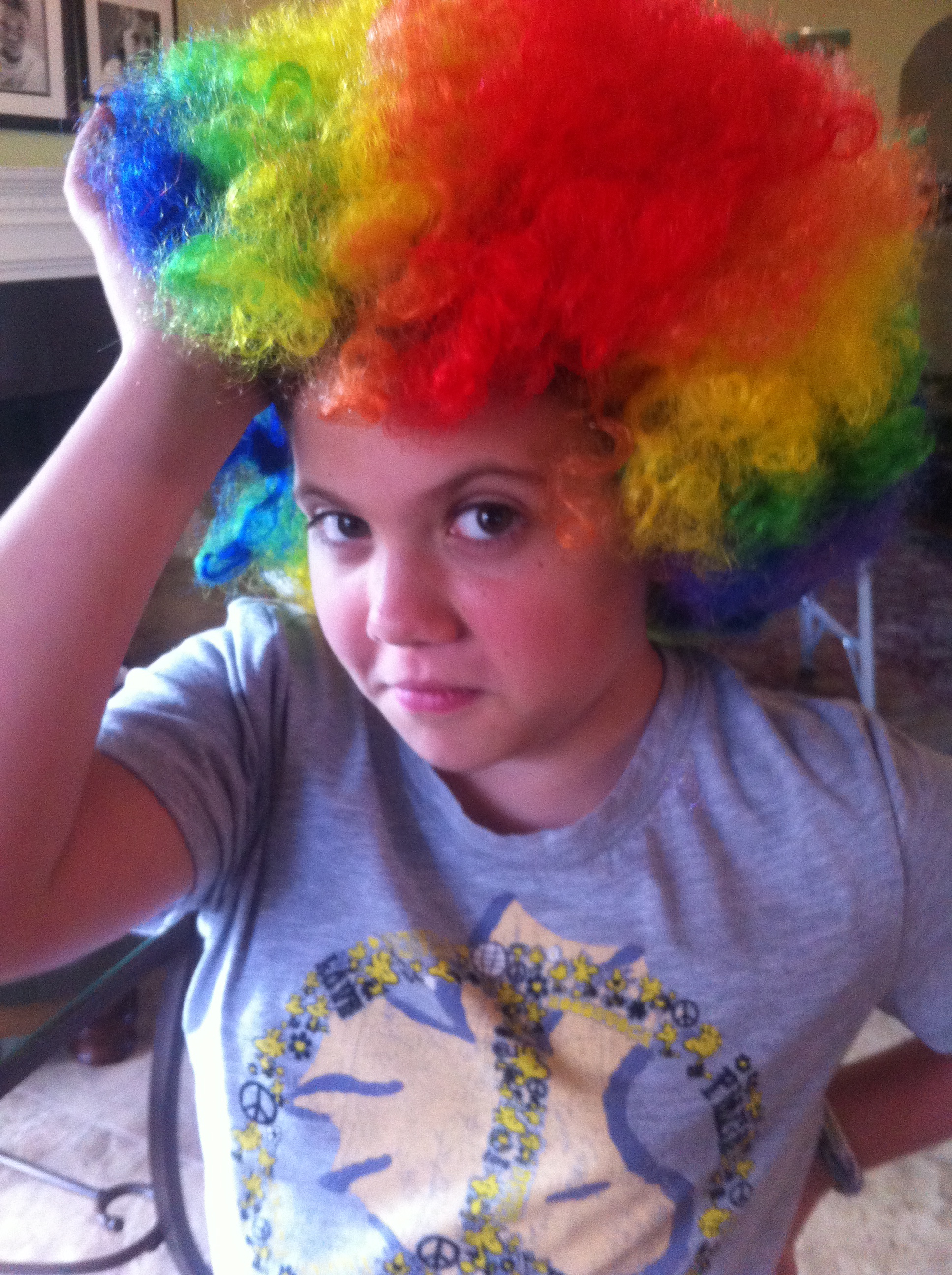
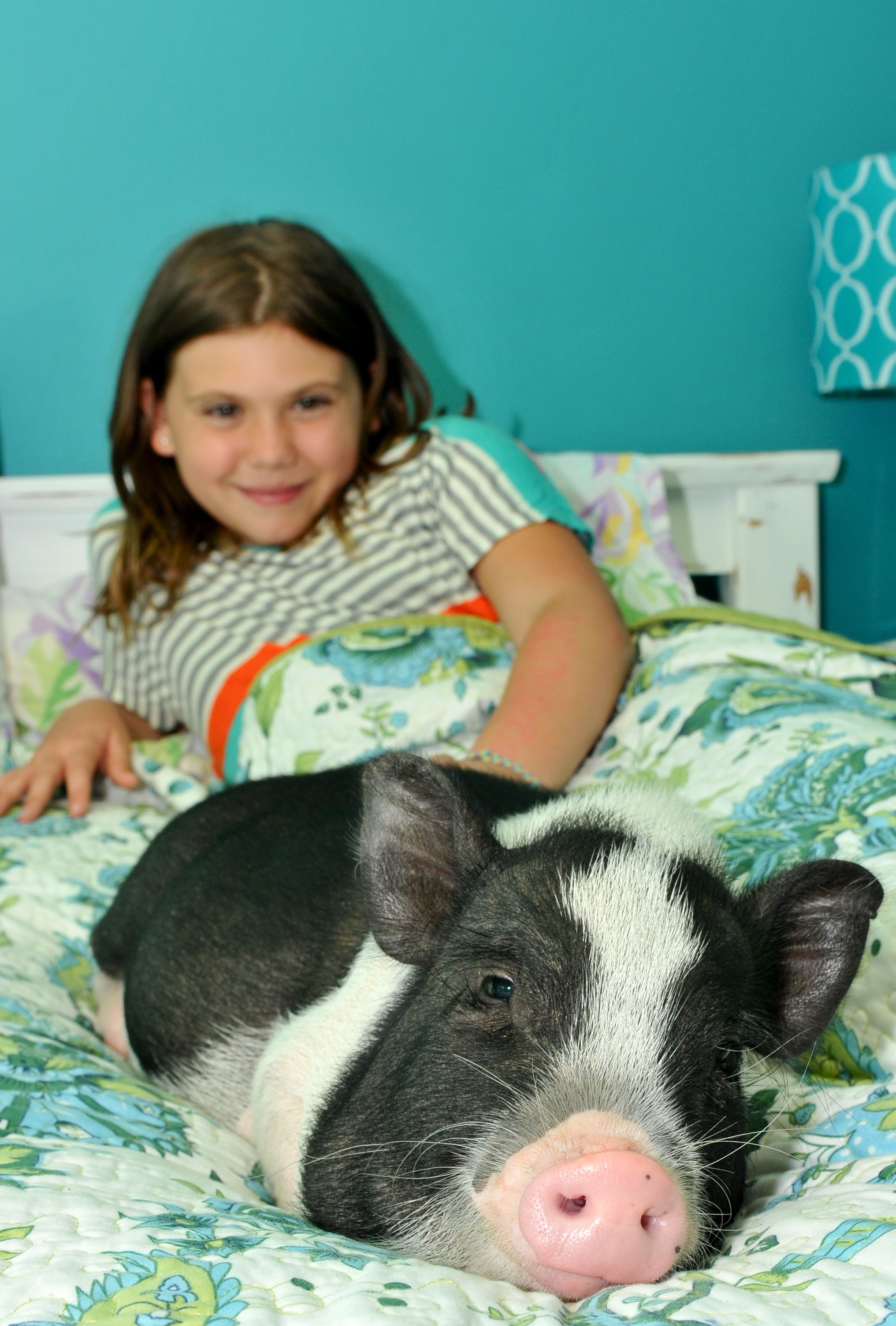
Goofing with her piggie is her favorite pastime.
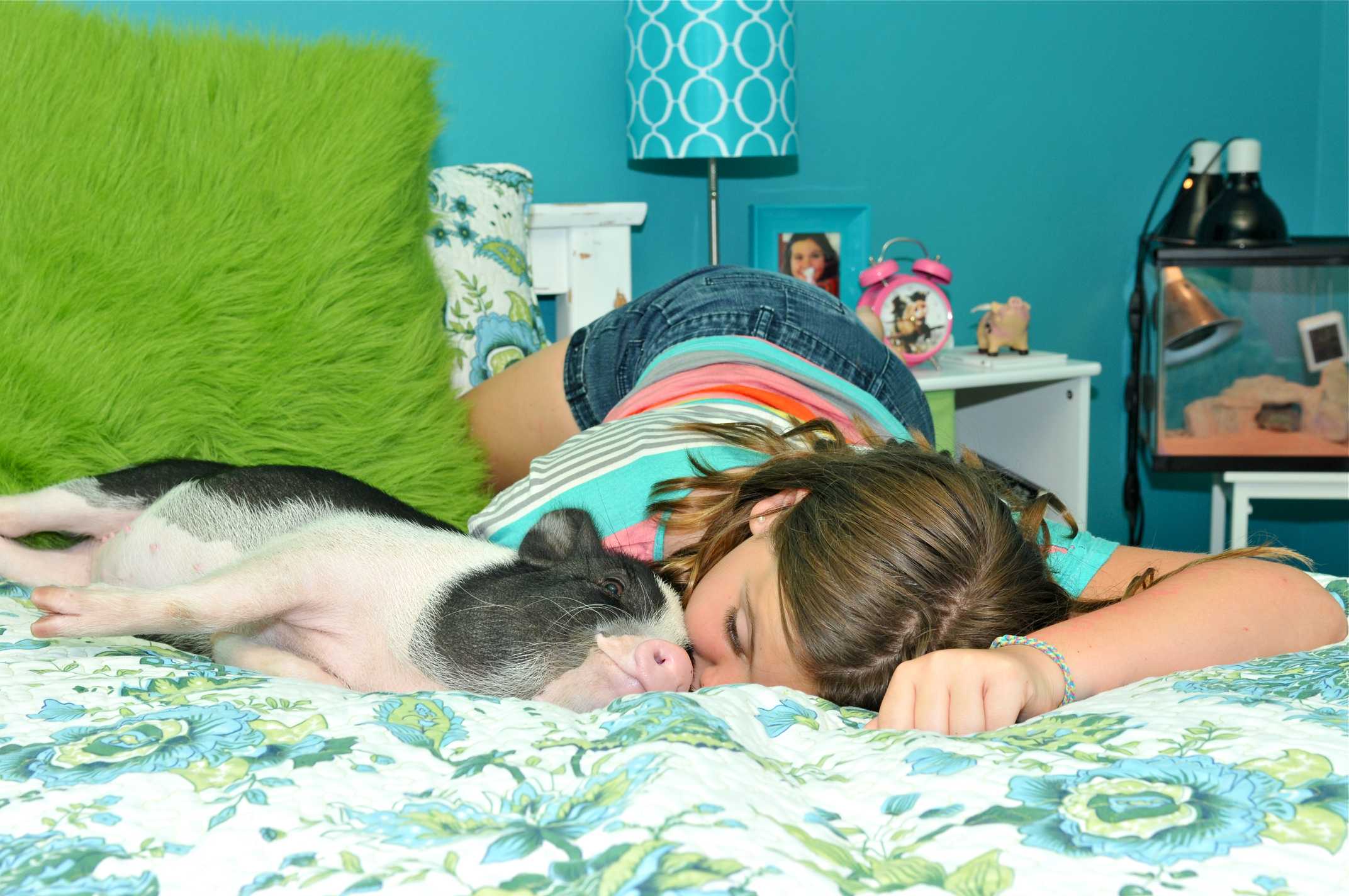 Although cutting a rug is one of her favorite things to do, too, and she’s an excellent dancer.
She has a keen interest in ok serious obsession with lotto scratch cards. I have no idea where she discovered scratch cards, but she’s asked for — and received — a few for all the recent occasions.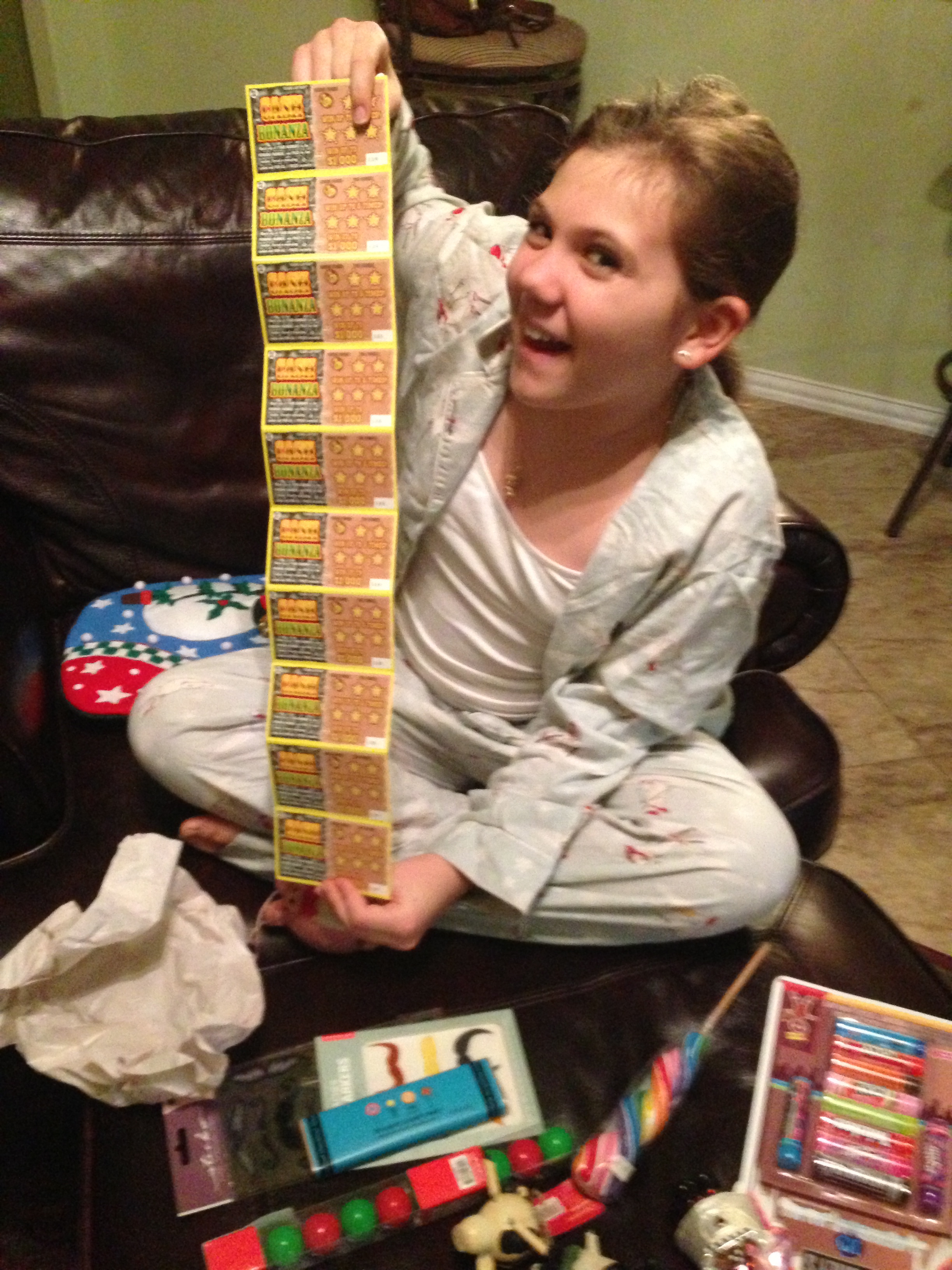
Along with scratch cards, my favorite girl has developed a love of cooking and spends a lot of time in the kitchen. Her latest savory creation: customized pot pies, so that each member of the family could get exactly what they want. 
She’s earned $800 from baking cookies, brownies, and pies in the last few months for a class trip to Washington, D.C., this summer.
There were cookies for all the holidays, including Halloween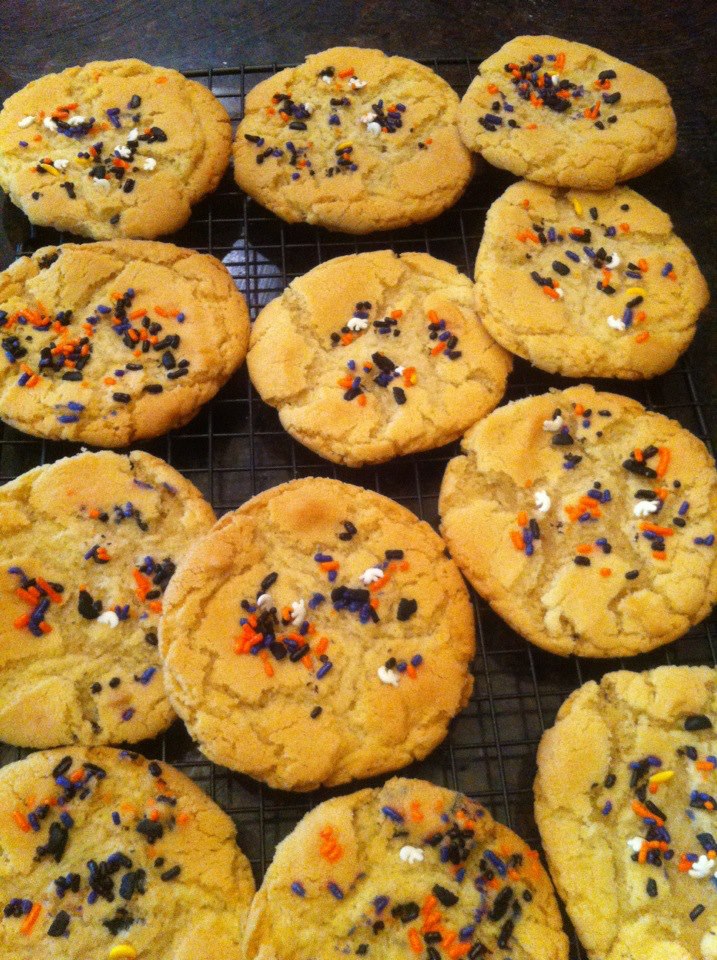
and she perfected the M&M cookie. Yum!
She even baked her own birthday cake this year, and it was beyond delicious.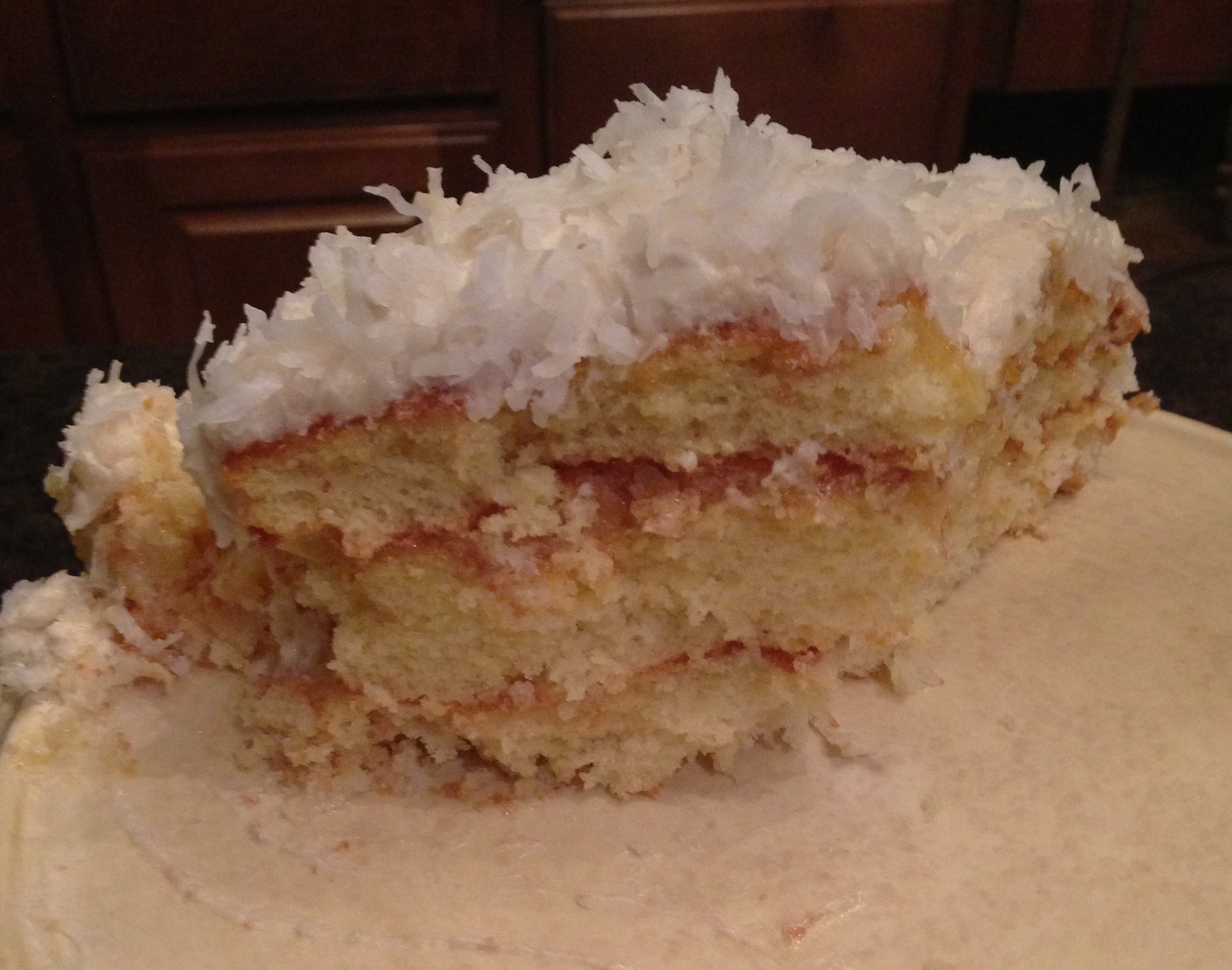
She loves to read and carries a book pretty much everywhere she goes. 
 She has her own sense of style and loves to strike a pose.
 This girl makes a splash everywhere she goes.
She has a smile that can crack your heart right in two. 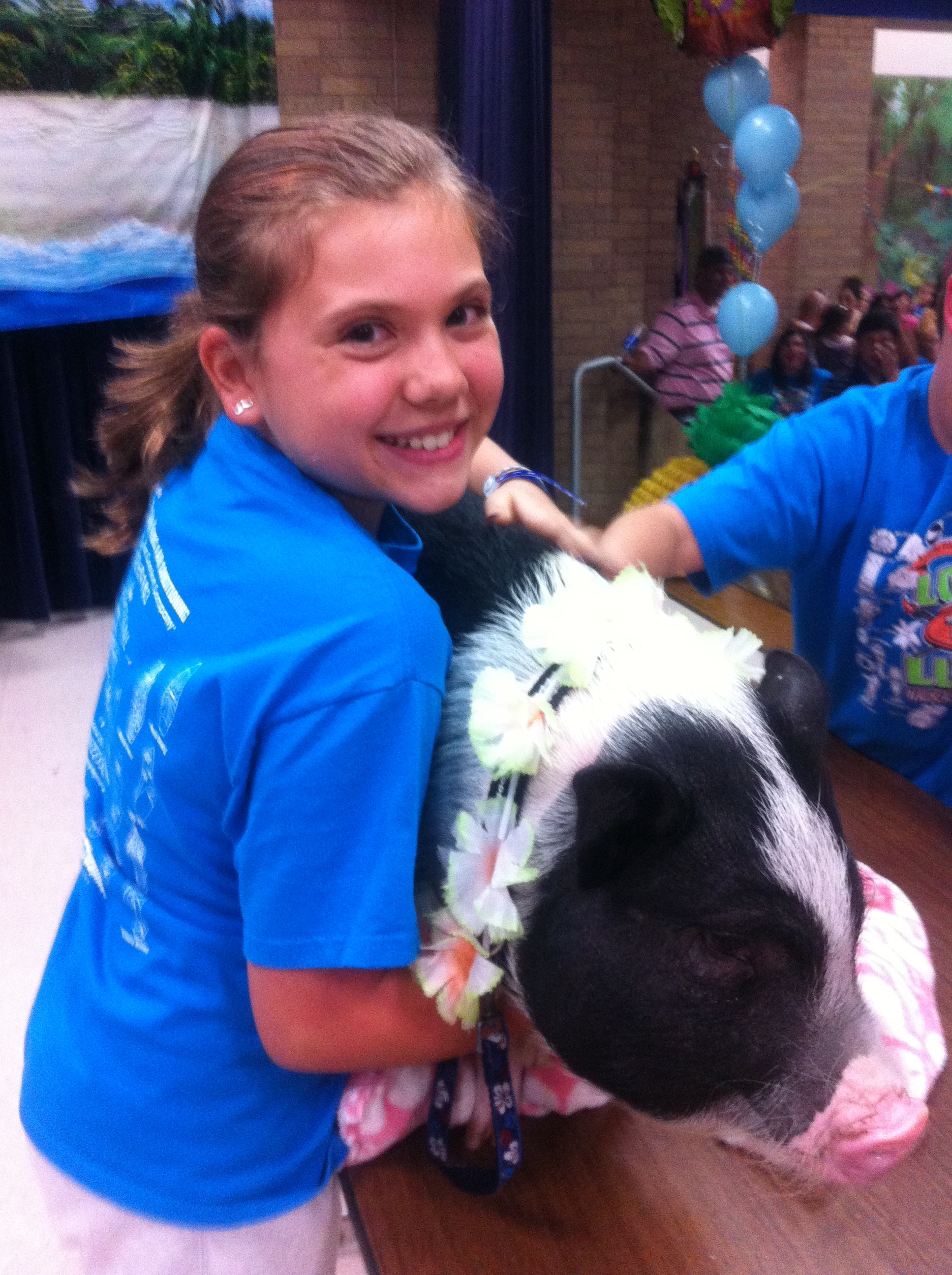
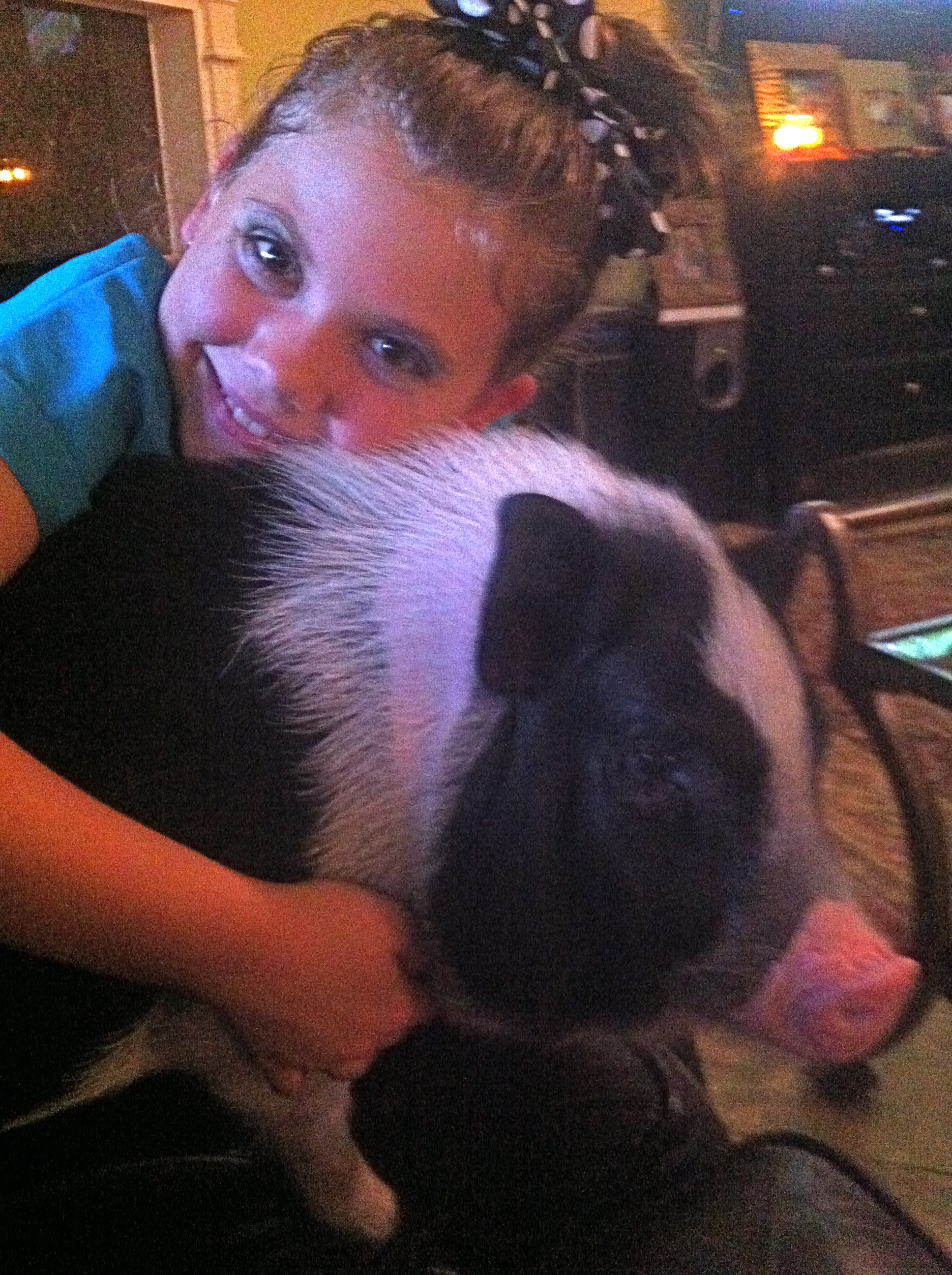
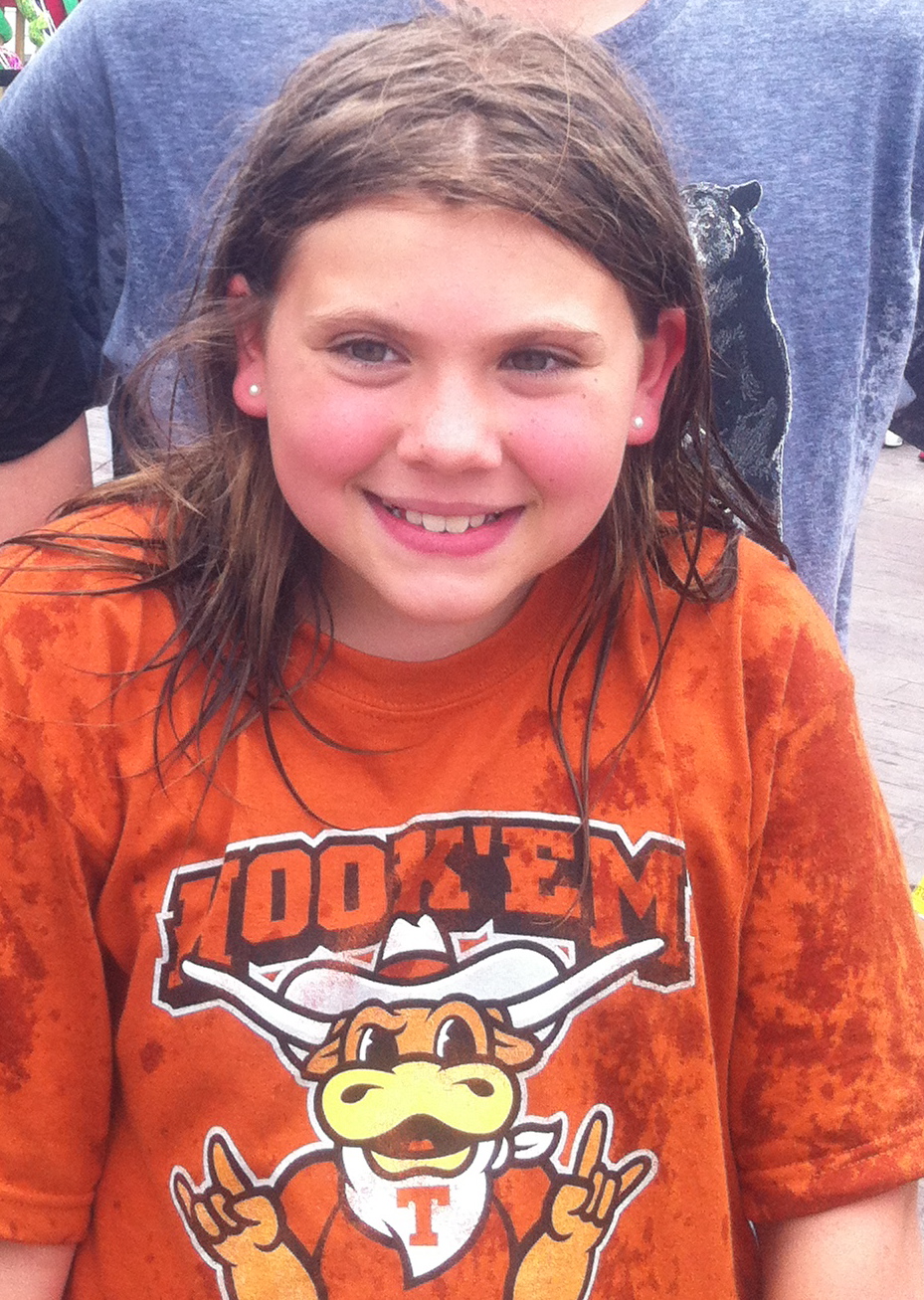
This time last year, she still looked like a little girl.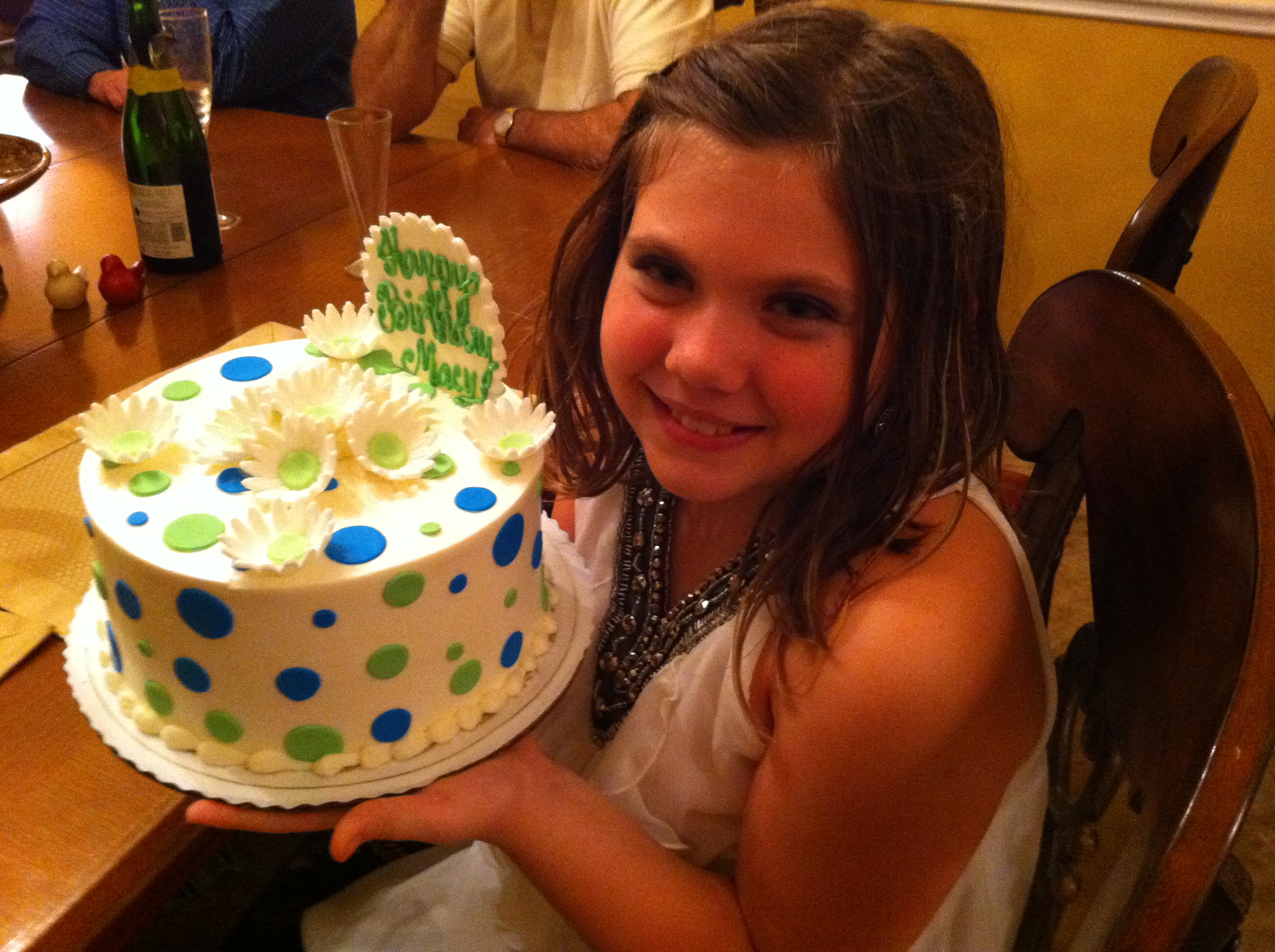
All that is changing, however; this year’s birthday dinner found a young lady on the receiving end of the Happy Birthday song. 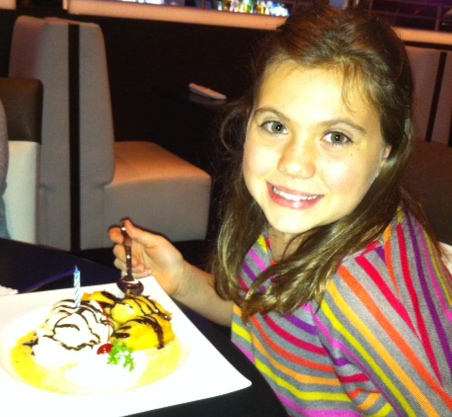
That’s ok; she’ll always be my little girl.
Everyday wonders
Posted: January 11, 2013 Filed under: breast cancer, cancer fatigue, kids | Tags: breast cancer in young women, kids birthdays, kids' birthday parties, life after cancer, nature, psychological effects of breast cancer, savoring the little things, squirrel on a wire, squirrels, Tumblr animal photos 17 CommentsDriving my favorite girl to school today, my head was full of thoughts of all the things I need to get done. It’s her birthday weekend, so we have a jam-packed schedule of festivities, which means much to do before we celebrate. I was running through my mental to-do list and chatting with the birthday girl about the cookies she would hand out to her classmates on the funny monkey napkins. Our spirits were high, although I felt my inner throttle revving up, readying my body and brain to rush from one task to the next in a balls-out effort to get ‘er done. Get all of ‘er done.
This is one aspect of myself I don’t relish. I’m always in a hurry, rather impatient, and tend to rush through the journey to get to the destination. I’m not a “smell the roses along the way” kind of girl. Perhaps this is common in overachieving busy-bodies. Or in the legions of other suburban at-home moms whose work is never done in ferrying children to and fro and ensuring there are adequate provisions to keep the troops clothed and fed. Or maybe it’s just me.
Anyhoo, there I was in the car with my girl en route to school, thinking about going to Walgreens to pick up yet another prescription; hitting the grocery store for kid wine (sparkling cider) for tonight’s kid party and for crayons for my girl’s science fair project; going to the gas station to fill up and get a quick car wash, as well as scratch cards for the birthday girl (yes, gambling starts early around here, and the fact that my girl requests scratch cards for Christmas and her birthday is an insight into her wacky personality); driving my other kid to school; gathering the stuff for the party-favor goodie bags; wrapping the gifts; sweeping, mopping, dusting, and freshening the powder bath since the party guests will arrive this evening and I’m the whack-job type who thinks the house must be spic & span before guests invade; and cleaning out the twigs & leaves that fall into the back seat of my car on top-down days, since the party guests will be riding with me.
Just when I thought my full-to-the-brim brain might overtake me, the universe intervened and saved me from myself.
As we traveled down the street, we drove under a wire that stretches across the road, up high. Maybe it’s a telephone wire, or perhaps a DSL cable. I don’t know; I’ve never even noticed it before, but it traverses the street I drive up and down a thousand times a week, every week. Today as I traveled that street, a fat squirrel was dashing across the wire, doing a squirrel tight-rope act. The movement caught the eye of my girl, who spied the bushy-tailed performer through the open roof of the car. We slowed down, literally and figuratively, to watch. I slowed even more when I realized that if that squirrel fell off that wire, he’d plop right into my car. While my animal-loving girl would love that, I didn’t relish the thought of it.
With no cars behind us, we slowed to a crawl to watch the rodent acrobat scurry across the wire, high above the road. His tail bobbed in the air as he ran across that wire, and I imagined his little squirrel hands (paws?) gripping tightly. My girl wondered aloud if he was nervous or confident in his attempt to cross the road, and that naturally led to her ad-libbing a few “Why did the squirrel cross the road?” jokes. Ahh, the humor of an almost-11-year-old.
Our squirrelly performer trucked across the last length of wire, safely making it to the other side. The punchline to the “Why did the squirrel cross the road?” joke that most tickled the girl making them up was “Because he needed to scratch his butt!” The squirrel was gone, and a car approached, forcing me to move forward. As we neared the school, my girl said, “Mom, I’m sure glad we saw that squirrel on the wire. That totally made my day.” And then I realized: while the jam-packed to-do list seems so important, and completing those tasks to ensure a kick-ass birthday weekend for my favorite girl is important to me, what’s really important is noticing the moments of everyday wonders, and savoring them. The squirrel on the high-wire smacked me in the face with that realization. My girl re-affirmed it.
Much has been written, on this blog and elsewhere, about how surviving cancer can make one appreciate life even more. I will never, ever, ever say that cancer is a gift or that it’s changed my life for the better or that there is a silver lining under that dark cloud that so rudely interrupted my life with disease, infection, and worry. Never. I appreciated my life and the bounty of good things in it just fine without having to lose my breasts and a chunk of my security along with them. I lived life out loud before cancer robbed me of my belief that if you do the right things and try your best to be a good person, that bad things won’t happen. I gave thanks for the friends and family and privileges that exist in my life before this wretched disease snuck into that thankful life and dislodged my sense of me. I realized that random fate of being born in the time, place, and family I was born into was as much a player as hard work in creating this charmed life, and I knew that before cancer entered and laid waste to my body. I appreciated the little things in life, and knew in my heart that it’s those things, not a new car or a big house, that lay down a basis for a fulfilling life; I certainly didn’t need cancer to bully me into realizing this fact.
Surviving cancer and an insidious infection didn’t teach me to appreciate life’s everyday wonders. But a squirrel on a high wire sure did.

tumblr.com
Distance traveled
Posted: January 8, 2013 Filed under: breast cancer, cancer fatigue | Tags: bilateral mastectomy, breast cancer and young women, home health care, new start, New Year, psychological effects of cacner, wound vacuum 5 CommentsI didn’t fall off the face of the Earth. It just seems that way. The Belly is still in business; thanks for your concern.
I had every intention of sitting down for a nice, rousing blog post over the last week, but life got in the way. It tends to do that. While the days were whizzing by and I remained blog-less, several ideas for posts meandered through my brain, but because I didn’t write any of them down, they’re now a swirling mish-mash of disjointed words and unattached ideas. Probably best to just start fresh. That’s what the New Year is for, right — starting fresh?
Being an overachieving busybody, I have tons of plans rattling around in my head. Yucky but necessary plans, like cleaning out my study and purging the stuff I don’t use anymore. Like touching up my kitchen paint, which has been nicked in many places as this busy little family has gone about its business over the last few years. Like repairing the wallpaper in the powder bathroom, which has started to peel in a few spots. It’s the only wallpaper in my house and I love it: big, lush banana tree leaves. Those giant leaves wrapping around that small space makes me smile, 8 years later. Lots of projects on the to-do list in addition to the everyday hub-bub of keeping my family up and running. After a long, leisurely winter break, my kids went back to school today (a somber affair that remained heavy and dreary despite the oh-so-rare appearance of a warm Pop Tart on each kid’s plate. Yes, I am that mom — the one who deprives her kids of sugary processed pastries for breakfast. Poor babies).
Besides a fresh start and umpteen projects, the New Year brings me perspective. Before looking forward and lurching headlong into 2013, I want to take a mo to reflect back on 2012. While 2012 had its challenges, it was a far cry better than 2011; that year and the one that preceded it were pretty stinky, with a cancer diagnosis followed briskly and cruelly by a nosocomial infection that would. not. go. away. Looking back on those dark days makes me shudder.
Many parts of that “journey” remain hazy in my mind. When I think back to that time, it’s almost as if I’m watching a movie. A really bad, really scary movie. I know that it was I who endured it, yet my brain tries to protect me from conjuring up the details. Thank you, brain. I remember bits & pieces of it all, but not the specifics. It’s not as if I’ve erased all the unpleasant memories; they’re just faded. When I go back to the month I spent in and out of the hospital because of that damn infection, I can recall the exact look of each room in each of the three different hospitals, but I can’t really remember what that time was like. I know there was a lot of hopelessness and fear, but if I had to describe it, I would fumble. If you were to ask me what it was like to undergo a bilateral mastectomy two weeks before my 41st birthday, I’m not sure I could come up with more than, “It was hard.”
If you ask me how it felt to have a wound vac attached to me 24-7 for weeks on end, my answer would be that I can’t really say. I remember how loud that damn thing was, and how cumbersome it was to lug it around. I remember my home-health nurse coming four times a week to clean the wound; I know she measured the depth, length, and width of that wound every visit, and compiled the stats in a handy chart that we used to hang on to a semblance of hope that progress was being made, that the damn thing was healing. I know she used an oversized, medical-grade Q-Tip to clean the wound, and that it was horrific enough that she recommended a xanax before each visit (for me, not her). I remember her using that giant Q-Tip to gauge how deep the wound still was, yet when I try to recall how it actually felt, I can’t. I guess that’s a good thing.
This time last year, I was trying to regain my footing as I negotiated life after cancer and that awful infection. I didn’t make any New Year’s resolutions that year, or this year. I’ve never been one to inscribe grandiose plans upon my new calendar. Perhaps it’s an effort to fly under the radar. To live a normal life. To step lightly around the sleeping beast that is cancer recurrence. To put as much time and distance as possible between then and now.

education.com
2012 in review
Posted: December 31, 2012 Filed under: breast cancer | Tags: blog friends, blogging, breast cancer in young women, cancer is not a gift, champagne, inspirational quotes, Jay-Z, Mark Twain, Mark Twain quotes, New Year's Eve, Wordpress, wordpress.com 16 CommentsWordPress is outstanding. I give all credit to the Hubs for choosing WordPress as my blog home. Actually, he gets all the credit for this little blog’s existence. He bullied convinced me to transition from Caring Bridge to a “real” blog. I wasn’t sure I had the chops or the audience for a “real” blog, but he was right on both counts. See, I’m neither too proud nor too Greek to admit I was wrong.
After Trevor bullied convinced me to leave the safety of Caring Bridge for the wide-open world of “real” blogging, he set out to find the best blog host for me, and WordPress won that contest, hands down. Not to knock those blogs hosted by other, non-WPsites, of course, but WP never asks me to “prove I’m not a robot” by entering a string of jibberish into a little box before my comment can be published. WP never requires me to identify myself each and every time I want to post a comment on someone else’s blog. The brain that powers WP is big enough to remember who I am every time. There’ve been times when I’ve abandoned a comment I was planning to leave on another blog, after carefully composing it (or just rattling off a stream-of-consciousness thought) because the process of proving I’m not a robot and having to enter my credentials took too long or crashed my computer. Not so with WordPress.
I got a handy email from the dear folks at WP the other day saying this: “The stats helper monkeys prepared a 2012 annual report for this blog.”

They provided this cute graphic as well. Thanks, WP; now I don’t have to troll googleimages to find something to pretty up my post.
The good people at WP crunched a lot of numbers and came up with this analogy for my little blog:
19,000 people fit into the new Barclays Center to see Jay-Z perform. This blog was viewed about 100,000 times in 2012. If it were a concert at the Barclays Center, it would take about 5 sold-out performances for that many people to see it.
Click here to see the complete report. Thank you, stat helper monkeys, for this annual report. What a cool gift. Those helpful monkeys laid out my all-time most-viewed post for me. How interesting. If someone — or some monkey — asked me to pick what I thought my most-viewed post was, I’m not sure I would have thought of this one. But I’m not a stat-crunching monkey, now, am I? I’m someone who still counts on her fingers sometimes, and who always resorts to a 20-percent tip in a restaurant because the math is just easier. What I don’t know about stats and numbers and most-viewed posts is a lot.
I’m humbled and tickled and perhaps a bit surprised to see how far-reaching this little blog has become. My heart is warmed by the blog friends I’ve made through this little blog. Women and men around the globe from all walks of life, united in one thing: the need to pour out our hearts onto the WP screen, to try to make some sense of the curveballs life has thrown us. Whether cancer or life in a foreign land or the pursuit of a goal right here at home, my blog friends write about the stuff that is foremost in their minds and filling up their hearts. Through good news (the latest scan was clear!) and bad (the dreaded mets), through everyday events and life-changing ones, we share. We comment. We connect. We come together.
And that, my friends, is a beautiful thing.
As we shed this year and look forward to a brand-spanking-new one, I will take some time to reflect on this little blog and all its stats and numbers. As I prepare for a year-end blow-out celebration with dear friends and lots of champagne, I will think of my blog friends around the world, and I will raise a glass to our shared experience. While I’d just as soon not have been diagnosed with breast cancer at the tender age of 40, had I not, I wouldn’t have started this little blog and “met” all of my wonderful friends in the blog-o-sphere. While I still fervently maintain that cancer is not a gift, it does happen, and we deal with it. We curse it, we cry about it, we blog about it. We come together.
Readying myself to bid adieu to 2012, I think of the year ahead and hope it’s full of good health, dear friends, yummy food, sunny days, bottomless glasses, cherished children, and beloved pets. I wouldn’t mind getting back on the tennis court after 4 long months of rehab for my newly-repaired knee, BTW. I’m thinking of things I want to do in the New Year, tasks I want to tackle, skills I want to acquire, places I want to go. In the immortal words of Mark Twain, I’m thinking of catching the wind in my sails. 
The list is complete
Posted: December 19, 2012 Filed under: Uncategorized | Tags: Allison Wyatt, eyes peeled always, Madeleine Hsu, Sandy Hook massacre, victims list Sandy Hook 6 CommentsWhen I wrote this blog the other day, there were two children on the victims list of the Sandy Hook massacre for whom photos and personal details had not been released. It bothered me that my list was incomplete. Many people commented that they just couldn’t watch the news or listen to any coverage of this tragedy, and I get that. It’s curious to me that our society seems torn between a perverse curiosity into the intimate details of strangers’ lives (the prevalence of celebrity worship and the relentless paparazzi come to mind), and an instinctive urge to turn a blind eye to the searing pain that comes from seeing — really seeing — the hard-core bad stuff out there. We have an instinctive impulse to protect ourselves from stuff that hurts. We rubberneck as we pass traffic accidents, hoping to glimpse the smashed cars, yet we shrink away from the gory details of what really happened inside Sandy Hook Elementary School as if being uninformed can keep the tragedy at arm’s length. There’s no judgment here, just my perception.
While my first instinct was to avoid the news and shut out any mention of Sandy Hook, it was equally important to me to learn something about each victim. As if my “knowing” them, in snippets and from afar, could connect me to the people suffering the most wrenching loss imaginable. As if learning a couple of facts or insights into who they were would allow me to share in the grief and somehow comfort those affected from 1,700 miles away. It doesn’t make much sense, but there it is. That is why I wanted to feature each victim individually and to uncover a little bit of personal info about them. I didn’t know any of the victims personally, nor do I know anyone in Newtown, CT, but as a parent — as a member of this human race — I felt compelled to showcase each of the victims.
To complete my list from the other day, here is Madeleine Hsu
and Allison Wyatt. 
Both photos come from the Facebook page In Loving Memory of Sandy Hook Elementary Victims.
A blogger I greatly admire and whose words always ring true for me wrote this about the tragedy at Sandy Hook:
“The only way for those left behind to survive something like this is when the rawness begins to subside, to adapt rather than crumble – in no way an easy thing to do. The unfortunate reality is that the 27 innocent lives cannot be brought back and the tragedy cannot be erased. As a community, a collective of humans, we need to absorb what happened and adjust our lives around it. To harp on the tragedy and let it define us will do no good. Rather, we need to define what our lives will be in spite of this tragedy. We need to sharpen our focus, reassess our priorities and make an even more concerted effort to love and let ourselves be loved, as that is what makes the world function. Let there be so much kindness that there is no room for hate.”
I love her idea of sharpening our focus. And her proclamation for us to “let there be so much kindness that there is no room for hate” is the best idea I’ve heard in a long time.
My list is now complete.
Eulogy for the Martyred Children
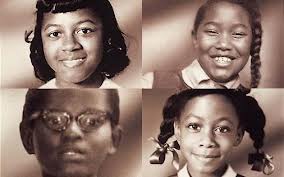
Posted: December 18, 2012 Filed under: Uncategorized | Tags: 16th Street Baptist Church, Civil Rights Movement, Eulogy for the Martyred Children, Jr., Ku Klux Klan, Martin Luther King, Newtown Connecticut, racial violence, racially motivated crimes, Robert Chambliss, Sandy Hook Elementary School massacre 5 CommentsOn September 18, 1963, Martin Luther King, Jr., delivered the eulogy at the funeral for three little girls — Addie Mae Collins, Carol Denise McNair, and Cynthia Diane Wesley — who were killed by a bomb as they attended Sunday school at the 16th Street Baptist Church in Birmingham. The fourth victim, Carole Robertson, was remembered in a separate service.
googleimages.com
Robert Chambliss, a member of the Ku Klux Klan, used 122 sticks of dynamite to send a racially motivated message and end the lives of four innocent girls. The bombing became a turning point in the Civil Rights Movement, and the eulogy seems eerily prescient as the first victims of the Sandy Hook Elementary School massacre are laid to rest.
While Dr King’s speech addressed racism and segregation, the ideas he expressed in the eulogy apply to the bloodshed at Sandy Hook. As I contemplated the start of many funerals in Newtown, CT, I was compelled to re-read Dr King’s words and am stunned at how much they apply to our current-day tragedy. Yesterday, Noah Pozner and Jack Pinto were buried, and today funerals were held for Jessica Rekos and James Mattioli. As I try to wrap my head around the idea of tiny caskets holding 6-year-old children being lowered into the ground, I imagine Dr King shaking his head at the fact that while great strides have been made in racial equality, innocent children continue to die at the hands of disturbed men with weapons. Nearly 50 years have passed since Dr King spoke these words, and yet here we are again mourning the senseless loss of unoffending, innocent, and beautiful children.
“This afternoon we gather in the quiet of this sanctuary to pay our last tribute of respect to these beautiful children of God. They entered the stage of history just a few years ago, and in the brief years that they were privileged to act on this mortal stage, they played their parts exceedingly well. Now the curtain falls; they move through the exit; the drama of their earthly life comes to a close. They are now committed back to that eternity from which they came.
These children—unoffending, innocent, and beautiful—were the victims of one of the most vicious and tragic crimes ever perpetrated against humanity.
And yet they died nobly. They are the martyred heroines of a holy crusade for freedom and human dignity. And so this afternoon in a real sense they have something to say to each of us in their death.
They have something to say to a federal government that has compromised with the undemocratic practices of southern Dixiecrats and the blatant hypocrisy of right-wing northern Republicans. They say to each of us … that we must substitute courage for caution. They say to us that we must be concerned not merely about who murdered them, but about the system, the way of life, the philosophy which produced the murderers. Their death says to us that we must work passionately and unrelentingly for the realization of the American dream.
They didn’t live long lives, but they lived meaningful lives. Their lives were distressingly small in quantity, but glowingly large in quality.”

 The Pink Underbelly